
 Sale
Sale


Tuning Up: The Ultimate Guide to Electric Guitar Tuners
When it comes to rocking out, there’s nothing worse than a guitar that’s out of tune. That’s where an electric guitar tuner comes into play, ensuring your axe sounds crisp and sharp, whether you’re jamming at home or wowing crowds on stage. This guide dives deep into why these little gadgets are essential, what to look for, and our top recommendations to keep you in the groove.
Why Do You Need an Electric Guitar Tuner?
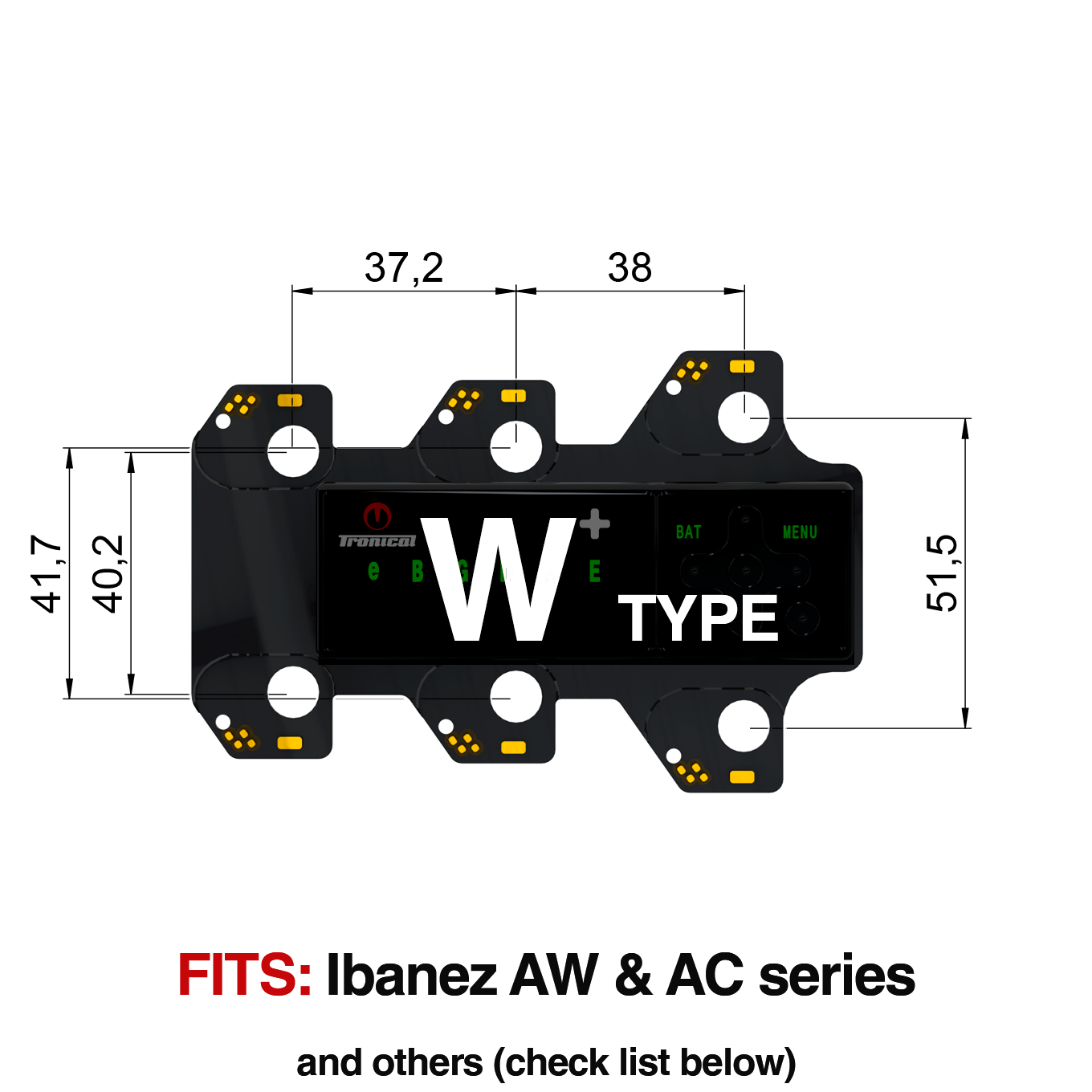
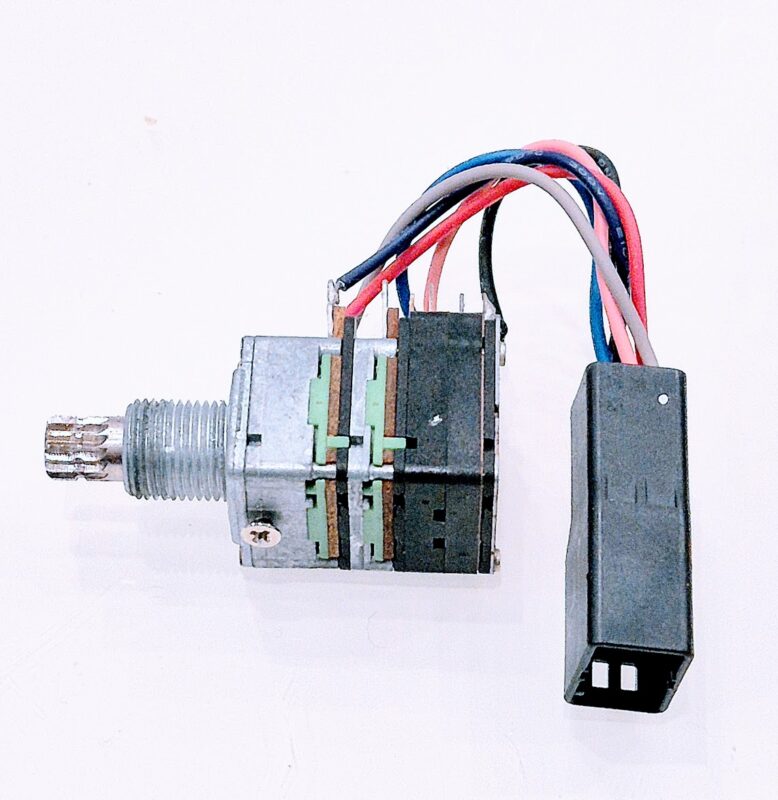
Let’s keep it real—tuning by ear is a mad skill, but when the rubber meets the road, you want precision. Here’s why a solid tuner is your best bud:
Recommended gear: Hex Nuts and Washers Set for TronicalTune
Recommended gear: C3 Typе
- Accuracy: Nothing beats the spot-on tuning a good electric guitar tuner can provide.
- Speed: Get your strings sounding right in no time—perfect for rehearsals or gigs.
- Convenience: Many models are small enough to fit in your pocket, making it easy to tune up anywhere.
The Types of Electric Guitar Tuners
Before you hit that “add to cart” button, let’s break down the different types of electric guitar tuners out there:
- Clip-on Tuners: These attach to the headstock and pick up vibrations. Super handy and easy to use.
- Pedal Tuners: Ideal for the stage, these sit on your pedalboard and offer quick tuning between songs.
- Smartphone Apps: There’s an app for that! Many do a great job, but beware battery life.
- Rack Tuners: For studio setups, these provide excellent accuracy and can handle multiple instruments.
Pros and Cons of Electric Guitar Tuners
Let’s slam some facts about the pros and cons:
Recommended gear: T Type Tronicaltune PLUS Guitar Tuner
Pros:
- Fast Tuning: Get in tune quicker than ever.
- Mobile Options: Find a tuner that suits your vibes, from clip-ons to apps.
- Visual Feedback: Easy-to-read displays make tuning a breeze.
Cons:
- Battery Dependency: Clip-ons and apps need power. Don’t get caught short!
- Calibration Required: Sometimes, you’ll need to adjust the settings for specific tunings.
How to Use an Electric Guitar Tuner
Now that you know why you need one, using an electric guitar tuner is straightforward. Here’s the quick guide:
- Attach your clip-on tuner to the headstock or plug in your pedal.
- Pluck the string you want to tune.
- Watch for the display to show you whether the pitch is high or low.
- Adjust the tuning pegs until the tuner indicates you’re in tune.
- Repeat for each string, and boom—you’re ready to rock!
Top Electric Guitar Tuners to Consider
Let’s check out a few standout options that all players should consider:
- T Type Tronicaltune PLUS Guitar Tuner: This beauty combines precision with style and is perfect for both live and studio settings.
- C3 Type: Known for its reliability, this tuner is a workhorse that makes tuning a total breeze.
- Hex Nuts and Washers Set for TronicalTune: Ensure your tuning setup is stable and ready to go, especially for those intense playing sessions.
FAQ
1. What is the best electric guitar tuner for beginners?
A clip-on tuner is usually the best bet due to its ease of use and quick feedback.
2. Can I use my smartphone as an electric guitar tuner?
Absolutely! There are many great tuning apps available that can get the job done.
3. How often should I tune my guitar?
Tune before every session, especially if you’re playing live. Strings can go out of tune due to temperature changes or heavy playing.
4. Are pedal tuners worth the investment?
If you play out regularly, a pedal tuner can save you time and keep your sound in check.
5. Is it possible to tune by ear?
For sure! But a tuner offers better accuracy, especially for performances.
Conclusion
To sum it all up, using an electric guitar tuner is a game-changer for any guitarist. Whether you’re just starting or you’ve been shredding for years, these tools keep your tone crisp and your tunes on point. Take the time to find the right tuner that fits your style, and you’ll be rocking those perfect notes in no time. Now, get out there and play your heart out!
