
 Sale
Sale


Tuning Up Your Sound: The Ultimate Guide to Tuner Guitar
As a rock guitarist, you know the importance of a killer sound and keeping your guitar in sync. That’s where a tuner guitar comes into play. Whether you’re hitting the stage or jamming in your garage, tuning is everything. It’s the first step to sounding solid and keeping your audience engaged. In this guide, we’ll break down the nitty-gritty of guitar tuners, compare the popular Tronicaltune with other options, and help you find the best fit for your sound.
Why Every Guitarist Needs a Tuner
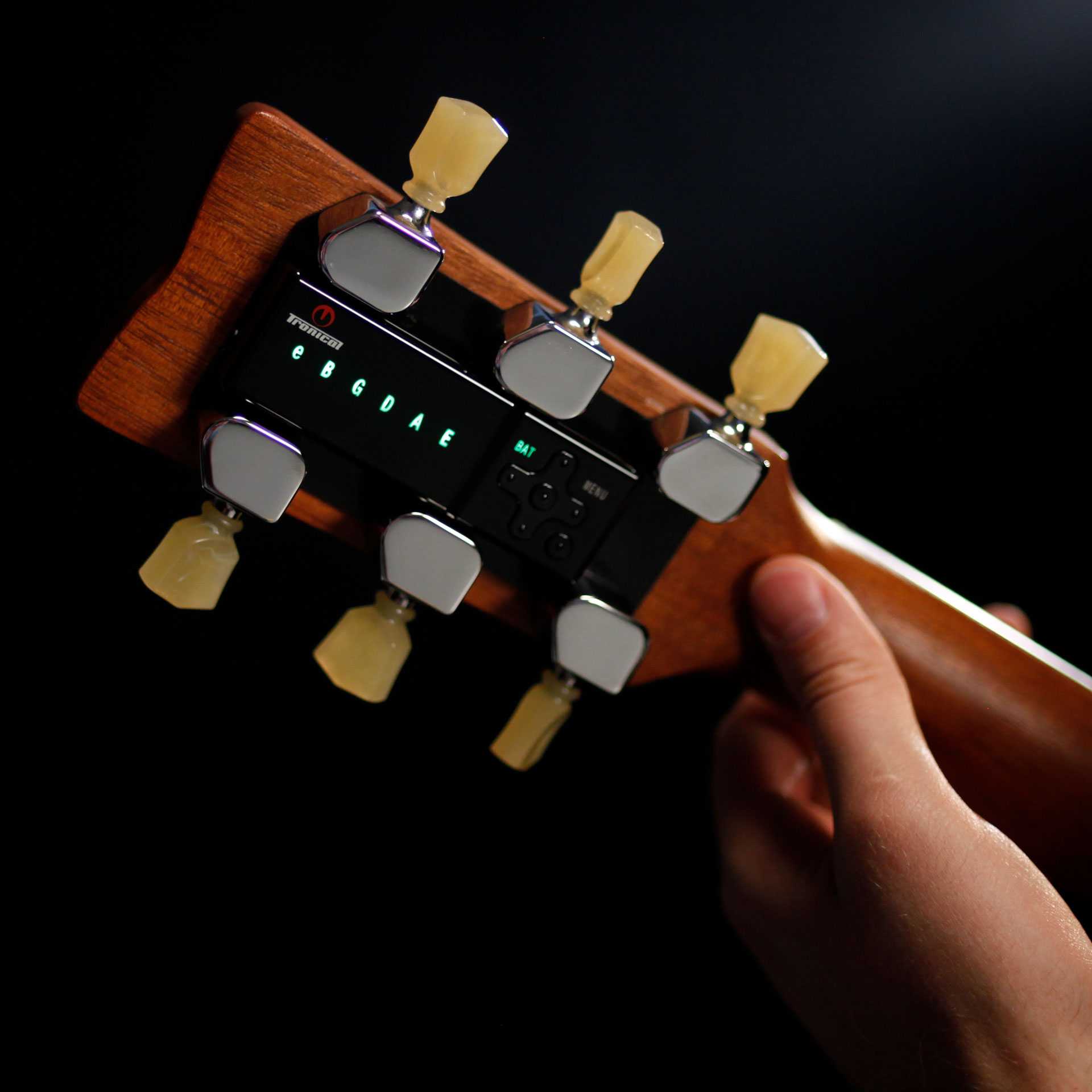
Let’s face it: A well-tuned guitar is crucial. You want your notes to pop and harmonize, not clash like a bad marriage. Here’s why having a top-notch tuner by your side is a must:
Recommended gear: F Type Tronicaltune PLUS Guitar Tuner
- Time-Saver: Spend less time wrestling with your strings and more time shredding.
- Perfect Pitch: Get your guitar in tune easily, even between songs.
- Versatile Options: Different tuners can cater to various styles—from standard to drop D and everything in between.
Types of Guitar Tuners
When it comes to guitar tuners, the market’s brimming with options. Here’s a quick rundown:
- Clip-On Tuners: Small, portable, and clip right onto the headstock. Super easy to use and great for on-the-go.
- Pedal Tuners: Perfect for electric players, these sit on your pedalboard and are built to withstand the stompin’ life.
- App Tuners: Use your smartphone to get in tune. Handy, but sometimes finicky.
- Tronicaltune: The smart tuning system that takes all the guesswork out of tuning.
Introducing Tronicaltune
Now, let’s dive into the real game-changer: Tronicaltune. This is not just another tuner; it’s a full-on smart tuning solution that automates the tuning process. You wanna get your guitar in tune? Hit a button, and let Tronicaltune do the rest.
Why Choose Tronicaltune Over the Competition?
Let’s stack Tronicaltune against other tuners on the market:
1. Ease of Use
With Tronicaltune, you press a button and voilà! It tunes itself, making it a breeze for players of all levels.
2. Precision
Tronicaltune uses advanced technology that ensures your guitar is tuned perfectly—no more guesswork. Other tuners may be good, but they often struggle with precision when you’re up on stage.
Recommended gear: T2 Type Tronicaltune PLUS Guitar Tuner
Recommended gear: O Type Tronicaltune PLUS Guitar Tuner
3. Versatility
You can switch between different tunings effortlessly. Want to rock drop D for a song? Just tap and go.
4. Built-In Features
Tronicaltune comes with an auto-return feature that makes tuning quick and convenient. No more tedious adjustments!
5. Reliability
Guitarists know that a tuner needs to be dependable; you can’t have it dying on you mid-set. Tronicaltune delivers consistent performance.
Real-World Use of Tronicaltune
A buddy of mine swears by the T2 Type Tronicaltune PLUS Guitar Tuner. He’s played everything from local bars to big festivals, and each time he’s had flawless tuning. It saves him so much time during gigs; he goes from song to song without missing a beat.
Other Tuners: Pros and Cons
Clip-On Tuners
- Pros: Affordable, portable, and easy to use.
- Cons: Can be less precise and may struggle in loud environments.
Pedal Tuners
- Pros: Rugged design, ideal for electric guitars.
- Cons: Can be bulky, takes up pedalboard space.
App Tuners
- Pros: Convenient, often free or low-cost.
- Cons: Reliant on battery life, accuracy varies by device.
How to Choose the Right Tuner
Picking a tuner isn’t just about the brand; it’s about what fits your style. Here are some quick tips:
- Consider Your Style: Acoustic, electric, or hybrid? Make sure your tuner caters to your guitar type.
- Check for Versatility: Look for tuners that can handle multiple tunings to keep your options open.
- Look at Features: Think about what features matter most to you. Is auto-tuning a must? Do you want portability?
Tuning Techniques Every Guitarist Should Know
Once you’ve got your tuner sorted, it’s time to get acquainted with some essential tuning techniques. Here are some methods that every rock guitarist should have in their arsenal:
Standard Tuning
The classic EADGBE is your bread and butter. Make sure every string is on point before diving into practice or performance.
Drop D Tuning
This one’s a favorite for heavy riffs. Just drop that low E string down a whole step, and you’re ready to chug!
Open Tunings
Open C or G can create some unique sounds and are worth exploring, especially for songwriting.
Frequency of Tuning
How often should you tune? That can depend on a few factors:
- Temperature and humidity can affect string tension.
- Playing style dictates how much wear your strings endure.
- Regular gigs or practice sessions mean you should tune more often, even between songs.
Maintaining Your Tuner
Lastly, don’t let maintenance slip through the cracks. Here’s how to keep your tuner running smooth:
- Keep batteries charged or replace them regularly.
- Clean the tuner to remove dirt, dust, and grime.
- Store it in a protective case when not in use.
FAQs About Tuner Guitars
1. What is a tuner guitar?
A tuner guitar is an instrument that incorporates a tuning mechanism, allowing the player to tune the guitar quickly and efficiently.
2. How do I use a Tronicaltune?
Simply attach the tuner, select the tuning you want, and press the button. It does the rest automatically!
3. Can I use a clip-on tuner with any guitar?
Yes! Most clip-on tuners work with various guitar types, but it’s always best to check compatibility.
4. What are the benefits of using a pedal tuner?
Pedal tuners are great for electric guitars, offering durability and easy integration with your pedalboard.
5. Where can I buy a good tuner guitar?
You can find quality tuners online or at local music stores. Brands like Tronicaltune are available at their official site.
So, there you have it! Tuner guitars and their magic unlocked. Whether you’re jamming in your garage or lighting up the stage, keep your tunes tight and right. Grab yourself a Tronicaltune and be prepared to rock!
