online guitar tuner
The Ultimate Guide to Guitar Tuners for Beginners

Feb
The Ultimate Guide to Guitar Tuners for Beginners
So, you’ve grabbed your first guitar and you’re ready to rock—first things first, you need a solid guitar tuner for beginners. Tuning your axe is the first step to sounding great, whether you’re strumming around a campfire or jamming with your band. In this guide, we’ll break down everything you need to know about guitar tuners, offering tips, tricks, and product recommendations that’ll have you hitting those notes like a pro in no time.
What is a Guitar Tuner?
A guitar tuner is a device that helps you adjust the pitch of your strings to get them to the right note. Think of it like a trusty sidekick that ensures your guitar is always in perfect tune. From clip-on tuners to pedal versions, these bad boys come in all shapes and sizes.
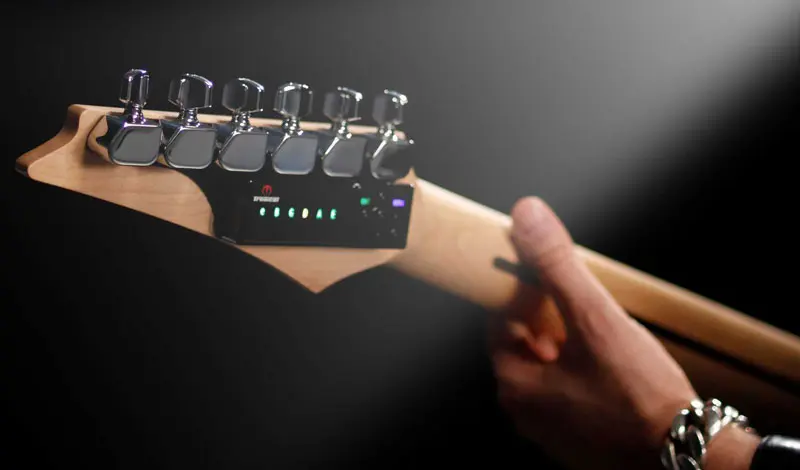
Recommended gear: E Type TronicalTune Guitar Tuner
Types of Guitar Tuners
To kick things off, let’s look at the different types of tuners you can score:
- Clip-On Tuners: Easy to use and portable, these clip onto your guitar’s headstock. They usually have a display that shows you whether you’re flat, sharp, or in tune.
- Pedal Tuners: Perfect for the electric guitar scene, pedal tuners sit on the floor and connect to your rig. They’re super accurate and often feature true bypass for tone preservation.
- App-Based Tuners: Download an app on your smartphone, and you’ve got a tuner in your pocket anywhere you go. Just be cautious—some apps aren’t as reliable as dedicated hardware.
- Rack Tuners: More of the pro setup, rack tuners are built into a rackmount system. They’re often used in professional settings.
Why Every Beginner Needs a Tuner
Learning how to play is a challenge on its own, no need to throw in out-of-tune strings. Here’s why having a tuner in your arsenal is crucial:
- Consistent Sound: A tuner helps ensure your notes are clear and harmonious. It’s tough to learn when your guitar sounds like a cat in a blender.
- Develops Your Ear: Regular tuning teaches you to recognize pitch differences, sharpening your musical ear.
- Saves Time: Spend more time playing and less time guessing—get straight to the good stuff!
How to Use a Guitar Tuner
No rocket science here! Here’s a step-by-step to get you started:
- Turn It On: Fire up your tuner.
- Strum a String: Pick the string you want to tune.
- Read the Display: The tuner will show you if the note is flat, sharp, or in tune.
- Adjust Accordingly: Tune the string up or down until the tuner indicates it’s in tune.
- Repeat: Do this for all six strings, and you’re good to go!
Best Guitar Tuners for Beginners
Ready to pick your weapon? Here are a few recommended guitar tuners:
Recommended gear: C4 Type TronicalTune Guitar Tuner
Recommended gear: W Type
- W Type: This one is perfect for beginners and offers a clear display and easy calibration. You can check it out here.
- E Type TronicalTune: Great for electric guitars, easy to use, and super accurate—perfect for those budding rockstars. Check it out here.
- C4 Type TronicalTune: This little gem fits right into your guitar. It’s built-in and reliable, keeping you in tune without cluttering your setup. Take a look here.
Pros and Cons of Using a Guitar Tuner
Let’s break down the ups and downs:
Pros:
- Accurate tuning every time, no guesswork involved.
- Helps your ear develop musical pitch.
- Different types available to suit your style.
Cons:
- Some can be pricey for beginners.
- Clip-ons can fall off if not secured properly.
- App-based tuners rely on phone battery life.
FAQ
1. How often should I tune my guitar?
Generally speaking, you should tune before every practice session or gig. Changes in temperature and humidity can throw your strings out of whack.
2. Why does my guitar go out of tune so quickly?
New strings stretch, and changing environments can impact tuning. Regularly tune your guitar to keep it sounding fresh.
3. Can I use my piano tuner for my guitar?
Sure thing! Just keep in mind that guitar and piano have different tunings, so you might have to adjust accordingly.
4. What if my tuner shows I’m in tune but sounds off?
Check your intonation. Sometimes, even in tune, the guitar might need some adjustments. It happens!
5. Are built-in tuners on guitars reliable?
Yes, most are pretty accurate, especially the newer models. Just keep an eye on the display and trust your ear!
Conclusion
Your journey into the world of music starts with a strong foundation, and tuning is that foundation! Having a reliable guitar tuner for beginners is essential. Whether you go with the W Type, E Type Tronicaltune, or C4 Type, getting your guitar in tune gets you one step closer to rocking out. So grab your tuner, make those strings sing, and let the music flow!
{“@context”:”https://schema.org”,”@type”:”Article”,”headline”:”The Ultimate Guide to Guitar Tuners for Beginners”,”description”:”Find the best guitar tuner for beginners and learn essential tuning tips to rock out right away!”,”author”:{“@type”:”Person”,”name”:”Rock Guitarist”},”datePublished”:”2023-10-01″,”mainEntityOfPage”:”https://www.example.com”}