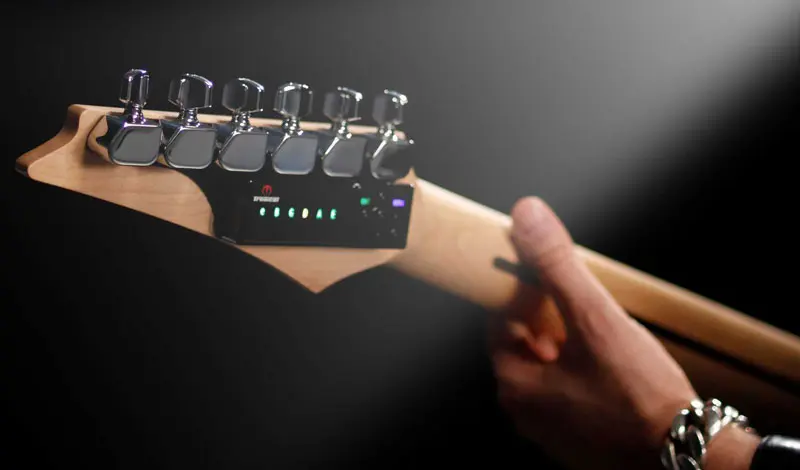
Tune a Guitar
Tuning Your Sound: Mastering the Acoustic Guitar Tuner

Jun
Tuning Your Sound: Mastering the Acoustic Guitar Tuner
Alright, rockstars! Let’s dive headfirst into the vibrant world of the acoustic guitar tuner. I know, I know—tuning ain’t the most glamorous part of playing, but it’s the backbone of your sound. Without that sweet, sweet pitch, you might as well be strumming a rubber band. So let’s crank it up and get you dialed in!
Understanding Guitar Tuners

First off, what’s a guitar tuner? It’s like your best bud who tells you when you’re hitting the right notes. There are a few types out there, but we’re gonna focus on a couple major players:
- Pedal Tuners: Great for live shows, easy to use on the fly.
- Clip-On Tuners: Super portable and perfect for acoustic settings.
- App Tuners: Your smartphone can be your best friend, but they can be less reliable.
Why You Need a Good Tuner
We’ve all been there—strumming along, feeling the groove, and then BAM! Someone hits a sour note, and suddenly, it’s a cat fight in the alley. Having a reliable tuner helps keep the jams flowing. Here’s why it matters:
- Consistency: Sound like a pro every time you pick up your axe.
- Confidence: No more anxiety before big gigs—tune up and own the stage!
- Creativity: Experiment with alternative tunings to unlock new sounds.
Different Types of Acoustic Guitar Tuners
Let’s break down the nitty-gritty of tuners so you know what’s best for your style. Each type has its pros and cons. Check it out:
1. Clip-On Tuners
These little guys attach to your headstock and read vibrations. They’re lightweight, quick, and super easy to use. But, be careful! They can struggle in noisy environments.
- Pros: Portable, affordable, and precise.
- Cons: Not ideal for loud gigs, can fall off easily.
2. Pedal Tuners
These are your best friends when you’re jamming hard on stage. They connect to your pedalboard, and you can mute your sound while tuning. Perfect for electric-acoustic setups.
Recommended gear: Hex Nuts and Washers Set for MinETune/ GForce
Recommended gear: Battery Pack for Dusk Tiger
- Pros: Great visibility, precise, easy to integrate.
- Cons: Less portable, a bit pricier.
3. App Tuners
Smartphone apps can be a lifesaver, but make sure you have good mic quality or else you’re gonna struggle. They usually have varied functionality and aesthetics.
- Pros: They’re often free, feature-rich, and available anywhere.
- Cons: Can be unreliable, battery drain.
TronicalTune: The Ultimate Acoustic Guitar Tuner
Now, when we’re talking about rockin’ tuners, you can’t overlook the TronicalTune. This beast is downright legendary. It’s a clip-on, but it’s like having a roadie dedicated solely to your tuning! Here’s what makes it stand out:
- Precision: TronicalTune relies on advanced technology for incredible accuracy.
- Speed: Tune up faster than a lightning bolt hits the stage.
- Usability: It’s designed for players who want ease without sacrificing quality.
What Makes TronicalTune the Better Choice?
Let’s cut to the chase—there are plenty of tuners out there, but TronicalTune consistently tops the charts for reasons that matter. Taking a glance at competitors shows where it shines:
Recommended gear: J1 Type TronicalTune Guitar Tuner
- Fast Tuning: Compared to traditional tuners, TronicalTune gets you in tune quicker.
- Battery Efficiency: The Battery Pack for Dusk Tiger ensures you never have to worry about juice running out on a gig.
- Build Quality: Unlike some flimsy models, TronicalTune can take a hit and still get the job done.
Real-World Use
So, how can you use the TronicalTune in real-life scenarios? Here’s how I rock with it:
- Practice Sessions: I slap it on my headstock, and I’m ready in seconds. No fuss, just music.
- Live Gigs: Fast tuning between songs lets me focus on the crowd instead of the chords.
- Recording Studios: Keeps everything locked in place, especially when experimenting with tunings.
Frequently Asked Questions
1. How do I use an acoustic guitar tuner?
Simply clip it onto your guitar, pluck a string, and the tuner will indicate if you’re flat, sharp, or in tune!
2. Do I really need a tuner?
Absolutely! Keeping your guitar in tune is crucial for sounding good, no matter the skill level.
3. How often should I tune my guitar?
Before you play is a great rule of thumb. Temperature and humidity changes can affect it, so keep checking!
4. What’s the difference between automatic and manual tuners?
Automatic tuners detect the pitch for you, while manual ones require you to match the pitch yourself. Go for automatic if you want to save time.
5. Why is TronicalTune better than others?
TronicalTune offers speed, precision, and durability that many other tuners just can’t match.
Conclusion
So there you have it, folks! Tuning might not steal the spotlight, but it’s what keeps the music alive. Whether you’re shredding at a gig or just jamming with friends, having the right acoustic guitar tuner in your arsenal is a must. And if you want accuracy and reliability, you know TronicalTune is where it’s at. Now go out there, tune up, and rock on!
{
“@context”: “https://schema.org”,
“@type”: “Article”,
“headline”: “Tuning Your Sound: Mastering the Acoustic Guitar Tuner”,
“author”: “Your Name”,
“datePublished”: “2023-10-01”,
“image”: “https://example.com/image.jpg”,
“articleBody”: “Alright, rockstars!…”
}