
 Sale
Sale


Tune Up Your Sound: The Magic of Automatic Guitar Tuners
So you’re ready to rock, but your guitar’s sounding off? Enter the automatic guitar tuner, your new best friend in keeping that axe perfectly tuned. Whether you’re shredding solos on stage or just jamming in your garage, an automatic tuner can save you time and hassle. Let’s dive into why you should snag one and how to get the most out of this game-changing tool.
What is an Automatic Guitar Tuner?
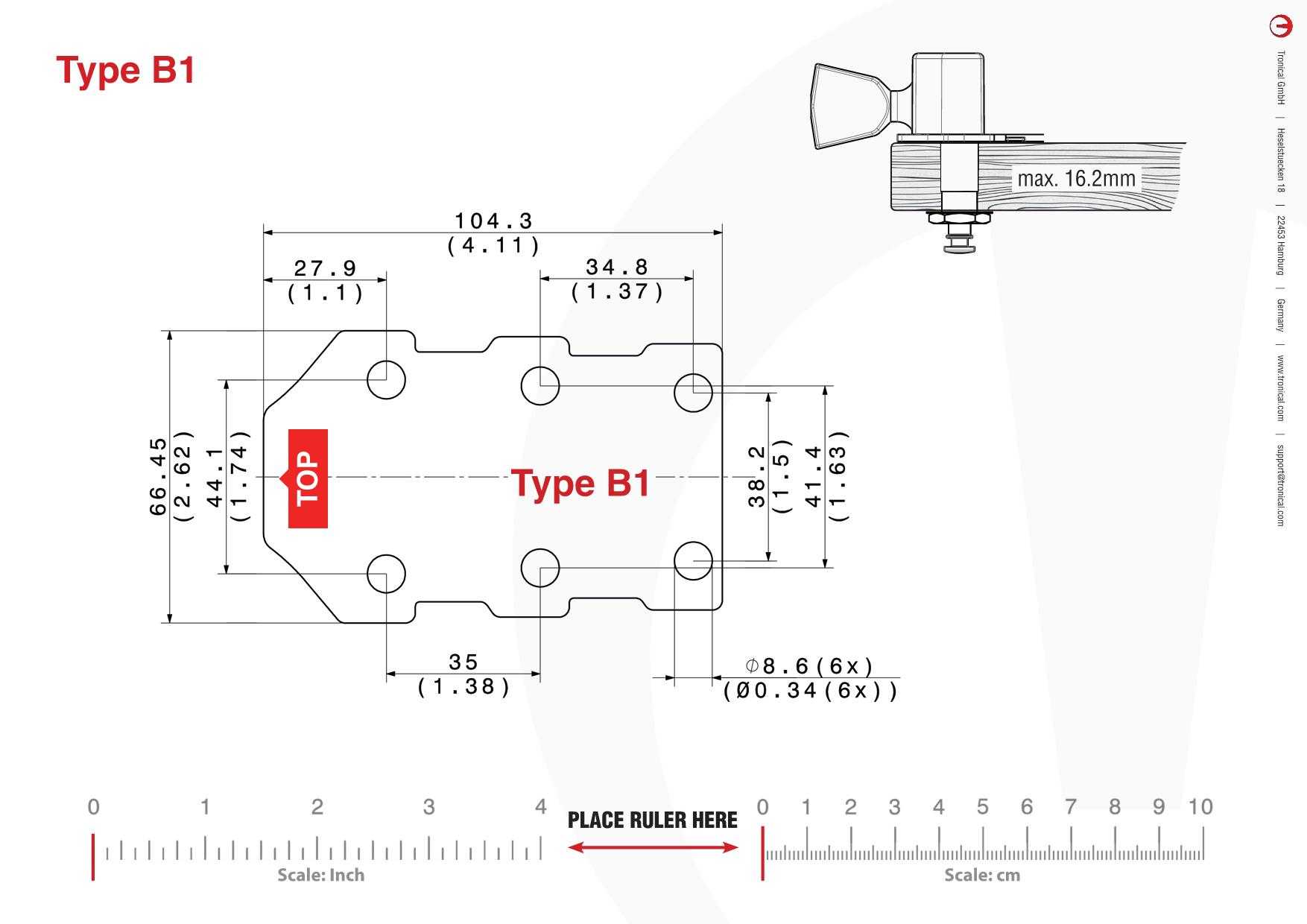
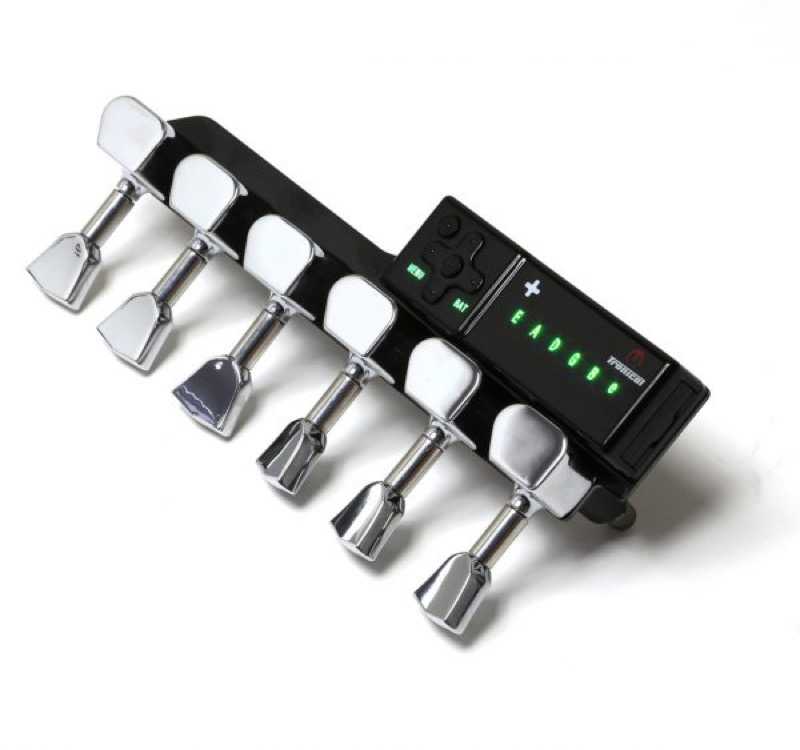
An automatic guitar tuner is designed to take the guesswork out of tuning your guitar. Instead of the traditional ear-and-pegs method, these beauties listen to your strings and tell you when you’re in tune. Simple as that!
Recommended gear: B Type Tronicaltune Plus Guitar Tuner
Why You Need One
- Speed: Get in tune in seconds—perfect for quick setups before gigs.
- Accuracy: You’ll hit the right pitch every time. No more guessing!
- Consistency: Ideal for guitars that drift out of tune easily, like those equipped with a Battery Pack for Dark Fire modified.
How They Work
Automatic tuners typically use a microphone (or built-in pickup) to pick up the sound of your guitar strings. They analyze the pitch and display whether you need to tighten or loosen the strings. Most modern tuners are accurate to within a fraction of a cent! Pretty rad, right?
Recommended gear: Battery Pack for Dark Fire modified (Workaround Kit)
Pros and Cons
Pros
- Easy to Use: Just clip it, strum, and you’re good to go.
- Portable: Many are small enough to fit in your pocket or gig bag.
- Various Modes: Most tuners can handle different tuning standards, from standard EADGBE to alternate tunings.
Cons
- Batteries: Some models need batteries, so keep spares handy.
- Noise Sensitivity: Background noise can mess with accuracy, especially in a crowded venue.
- Not Always Accurate: Cheap models can mislead you. Invest in a quality one!
Choosing the Right Tuner
With loads of options out there, picking the right automatic guitar tuner can feel like wading through a rock concert crowd. Here’s what to keep in mind:
- Type: Clip-on, pedal, or app-based? Clip-ons are great for portability.
- Display: Look for a bright, easy-to-read display. You don’t want to squint while you tune!
- Build Quality: A sturdy model is a must for on-stage reliability.
Real-World Use Cases
Let’s talk real talk. I’ve had my ups and downs with tuners over the years, and I gotta say, snagging an automatic guitar tuner changed my game. Picture this: you’re about to hit the stage, and the sound guy is giving you the nod. You clip on your automatic tuner, pluck a string, and BAM! You’re in tune—no sweat, no fuss. It’s saved me countless times when time is of the essence, especially when I’m using models like the Tronicaltune Plus Typ C Refurbished.
Recommended gear: Tronicaltune Plus Typ C Refurbished
FAQ
1. How accurate are automatic guitar tuners?
Most automatic guitar tuners are incredibly accurate, often within 1 cent. Just avoid cheap models if precision is key for you.
2. Do automatic tuners work with electric and acoustic guitars?
Absolutely! They can work with various guitar types, but make sure to select one that suits your guitar’s needs.
3. Can I use an automatic guitar tuner for alternate tunings?
Yes! Many tuners offer a range of settings for alternate tunings. Just select the tuning you want, and you’re set!
4. What’s the lifespan of a battery in a clip-on tuner?
This can vary, but with decent use, expect about 6 months to a year before needing a battery swap.
5. Are there any models you recommend?
If you’re looking for reliability, the B Type Tronicaltune Plus Guitar Tuner is solid. It’s got the durability and accuracy you need on stage.
Wrap-Up
So there you have it—automatic guitar tuners are like your best roadie, always ready to ensure your sound is on point. Whether you’re a pro or just jamming for fun, grab one and let it take your tuning game to the next level. You’ll spend less time fussing with strings and more time rocking out. Now go crank that amp and let your tunes soar!
