
 Sale
Sale


Unlocking Your Sound: The Ultimate Guide to Electric Guitar Tuners
Alright, rockstars, let’s dive into the world of the electric guitar tuner. You might think, ‘Why do I need a tuner? I can tune by ear!’ But let me tell ya, when you’re on stage, in the zone, and the crowd’s screaming, the last thing you want is a sour note crashing the vibe. A good tuner can save your sound and your show.
Why You Should Care About Tuning

Picture this: you’re about to unleash the sickest riff of your set, but your guitar sounds worse than a cat in a blender. Tuning properly ensures your strings resonate perfectly, making every chord ring true. Here’s why tuning matters:
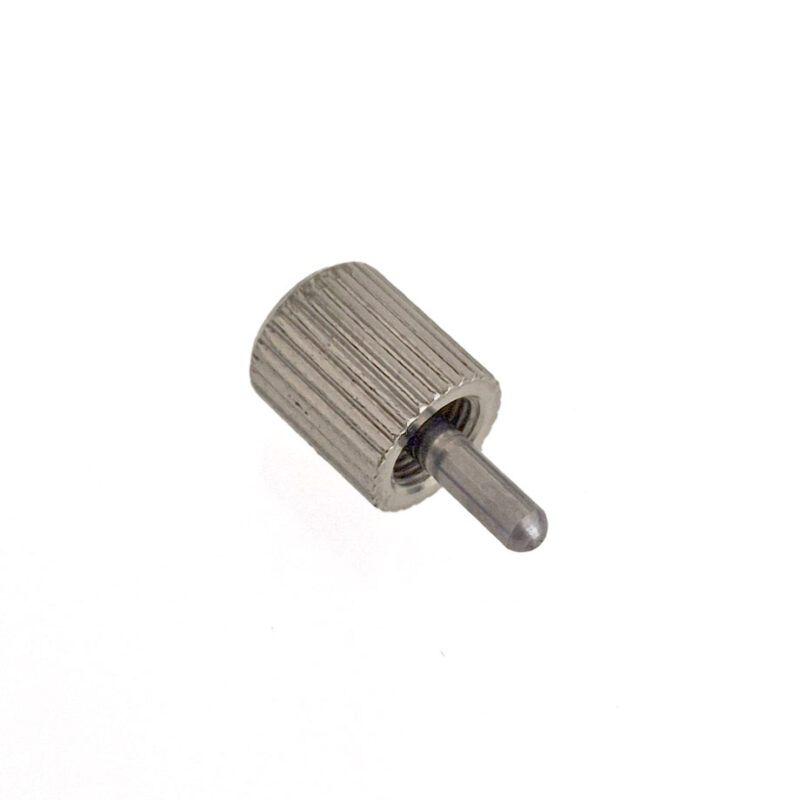
Recommended gear: Electronic Upgrade for GForce
- Confidence: A well-tuned guitar gives you the swagger you need on stage.
- Performance: No one wants to hear a guitarist hitting flat notes. Tune up, or you might lose points with the crowd.
- Sound Quality: A well-tuned guitar produces a full-bodied sound that’ll make your rock anthems soar.
Types of Electric Guitar Tuners
Now, let’s break down the tuners. Each type has its vibe. Depending on how you roll, different tuners will fit your style:
- Pedal Tuners: These bad boys sit on your pedalboard and give you precise tuning with a big display. Perfect for live settings.
- Clip-On Tuners: Super portable and easy to use. Clip it on, play a note, and it tells you where you stand.
- App-Based Tuners: Use your smartphone! Plenty of apps offer tuning features, but make sure your phone isn’t a distraction.
- Rack Tuners: Great for studio settings, these can be more sophisticated but are less portable.
Pros and Cons of Electric Guitar Tuners
Pros:
- Speed: Tune up in seconds, and get back to shredding.
- Accuracy: Most electric tuners are spot-on, helping you hit that sweet spot every time.
- No Guessing: Visual indicators take the guesswork out of tuning.
Cons:
- Battery Dependency: Some tuners are battery-operated—don’t be caught dead with a dead battery!
- Cost: Quality tuners can range from affordable to ‘whoa’ prices. Pick one that matches your budget.
- Learning Curve: Not all tuners are intuitive. Some might take a minute to wrap your head around.
Choosing the Right Electric Guitar Tuner
So, how do you pick the right tuner? Here are some tips:
- Type: Consider how you’ll be using it. Live performances? Pedal tuner might be your best shot.
- Accuracy: Aim for a tuner that’s known for precision. Reviews can guide you here.
- Features: Some tuners come with advanced features like alternate tuning modes. Cool, if you’re adventurous!
Need a recommendation? The Electronic Upgrade for GForce offers precision and ease of use, making it a killer choice for pros and beginners alike.
How to Use Your Electric Guitar Tuner
Using a tuner is straightforward, but here’s a quick rundown:
- Turn it on and set it for your guitar type.
- Pluck a string—you’ll likely see a needle or light indicating if you’re sharp or flat.
- Adjust the tuning pegs to match the tuner’s display until it’s in the green zone or indicating correct pitch.
- Repeat for all strings.
Easy, right? Just like riding a bike—except louder and with more attitude!
Recommended gear: Toggle Switch Gibson Firebird X
Recommended gear: Hex Nuts and Washers Set for MinETune/ GForce
Real-World Use of Electric Guitar Tuners
Guitarists on the road swear by tuners. Whether you’re jamming in the garage or headlining a festival, having a reliable tuner can transform your playing. I’ve been in gigs where a quick tuning between songs saved the set from going south. Also, bands like Maxx3 utilize pedal tuners during live performances, ensuring every note hits just right.
Frequently Asked Questions
1. How often should I tune my electric guitar?
Tune before every practice and gig. Temperature changes and string wear can knock your guitar out of tune, so keep it fresh!
2. Can I use a guitar tuner for other instruments?
Absolutely! Many tuners can handle bass guitars and even some orchestral instruments. Check the settings!
3. Are clip-on tuners accurate?
Most clip-on tuners are quite accurate, but always check reviews to find one that musicians recommend.
4. Do I need a tuner if I play by ear?
Even seasoned players can benefit from a tuner, especially when you want to tune quickly or during rehearsals.
5. What’s the best electric guitar tuner out there?
It really depends on your needs. Some pro favorites include Boss TU-3 for pedals and Snark Clip-On Tuners for easy clip options.
Wrapping Up
Whether you’re a seasoned vet or just getting started, having a solid electric guitar tuner in your toolkit is key to unlocking your true sound. Don’t let a bad tuning ruin your jam sessions. Plug in, tune up, and rock on!
{“@context”:”http://schema.org”,”@type”:”Article”,”headline”:”Unlocking Your Sound: The Ultimate Guide to Electric Guitar Tuners”,”image”:””,”author”:{“@type”:”Person”,”name”:”Rock Guitarist”},”datePublished”:”2023-10-01″,”description”:”Discover the best electric guitar tuner options. With tips, pros, and cons, maximize your sound. Get in tune and rock out!”}
