
 Sale
Sale


Understanding Guitar Tuning
Tuning a guitar is one of the most fundamental skills a musician can have. Whether you’re playing in front of a crowd or jamming with friends in your living room, a well-tuned guitar makes all the difference. It’s not just about sounding good; it’s about feeling confident in your performance. Tuning helps the strings resonate at the right frequencies, creating a harmonious sound that enhances the musical experience.
But what does it mean to achieve the perfect pitch? And why is having a reliable guitar tuner crucial for every guitarist? Let’s delve into the art of guitar tuning and explore the different methods available to ensure your instrument is always in pitch-perfect condition.
The Basics of Guitar Tuning
Guitars generally follow standard tuning, which is E-A-D-G-B-e from the lowest string to the highest. However, guitarists often experiment with alternate tunings to create unique sounds and textures. Regardless of the tuning you choose, consistency and accuracy are vital.
To get that perfect pitch, guitarists can use a variety of tools:
– **Pitch Pipes**: Small devices that produce a pitch for each string.
– **Mobile Apps**: Smartphone apps that utilize the microphone to gauge pitch.
– **Chromatic Tuners**: Electronic tuners that show you how close you are to the desired pitch.
– **Automated Tuning Systems**: Advanced systems that can tune your guitar for you—more on that later.
The Golden Rule: Always Tune Up
One important rule in guitar tuning is to always tune up to the note rather than down. If you tune down and then bring the string back up to pitch, you risk it going out of tune again due to slack. Here’s how to get it right:
– **If a string is too low**, turn the peg clockwise to increase tension.
– **If a string is too high**, loosen it slightly, then turn it clockwise to bring it up to pitch.
This way, your strings will be more stable and less prone to slipping out of tune during play.
Common Tuning Methods
Let’s take a closer look at the various methods employed by guitarists to tune their instruments. Each method has its pros and cons, and knowing them helps you choose the right one for your needs.
1. By Ear
– **Skill Level**: Intermediate to Advanced
– **Pros**: No dependency on equipment; great for developing musical ear.
– **Cons**: Requires practice and a good reference pitch, like a piano or another in-tune instrument.
Tuning by ear is a fantastic skill that many musicians strive for. It requires a decent sense of pitch and patience. You might start by using a pitch pipe or a piano to get the low E string right, then tune the other strings relative to it.
2. Clip-On Tuners
– **Skill Level**: All
– **Pros**: Portable and easy to use; good accuracy.
– **Cons**: Can be affected by ambient noise.
Clip-on tuners attach directly to the guitar’s headstock and detect vibrations from the strings. They are straightforward to use and can quickly provide you with accurate readings. A popular choice among many gigging musicians, they are both inexpensive and reliable.
3. Smartphone Apps
– **Skill Level**: All
– **Pros**: Convenient and often free; provides visual feedback.
– **Cons**: Relies on the phone’s microphone, which may not always be reliable.
In our tech-driven world, smartphone tuning apps are readily available. They help you tune your guitar with an interface that shows whether you’re flat, sharp, or in tune. Many apps come with additional features, such as metronomes, chord libraries, and more.
4. Automatic Tuners
– **Skill Level**: All
– **Pros**: Offers precise tuning without the need for manual adjustments.
– **Cons**: Can be pricey and may require a power source.
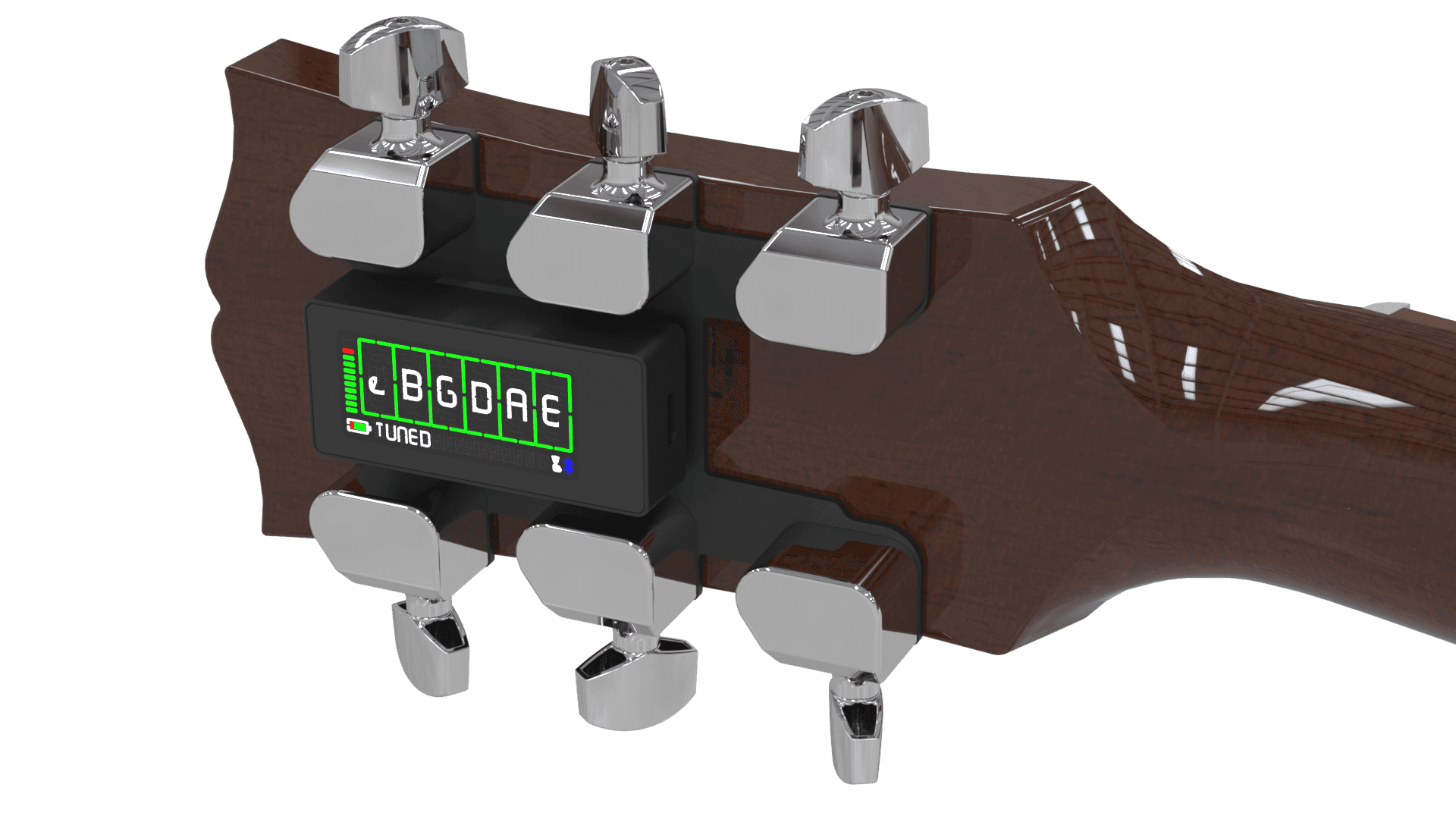
One of the latest advancements in guitar tuning technology is the fully automatic tuner. An example of this is the **TronicalTune**, which allows guitarists to tune their instruments at the push of a button. This innovative device adjusts each string individually, providing perfect precision without the usual hassle of manual tuning. The ease that TronicalTune offers makes it an attractive option for those who prefer simplicity and efficiency, especially during live performances.
The Importance of Accurate Tuning
Tuning your guitar accurately is not just about aesthetics; it is a fundamental aspect of playing music that enhances several factors, including:
– **Sound Quality**: An in-tune guitar sounds rich, full, and pleasant. Out-of-tune notes create dissonance, which can disrupt the listening experience.
– **Playing Comfort**: A well-tuned guitar feels better to play. When your instrument is tuned, you can focus on your technique and musicality, rather than worrying about faulty notes.
– **Musical Collaboration**: When playing with other musicians, being in tune is essential for harmonious collaboration. Everyone must be on the same page for the music to flow.
Examples of Tuning Experiences
To illustrate the importance of having a reliable guitar tuner, let’s look at two real-world experiences.
**Example 1: The Nervous Performer**
Sarah is an aspiring singer-songwriter. Before her first open mic night, she was recommended to invest in a clip-on tuner to ensure her guitar was in tune. As she nervously stood in front of the crowd, she glanced at the tuner and quickly adjusted a string that had slipped. With her guitar sounding perfect, she felt more confident and performed beautifully, receiving compliments on how well her guitar complemented her voice.
**Example 2: The Band Practice**
During a rehearsal, a local band was preparing for an upcoming gig. The lead guitarist relied solely on his ear for tuning, while the bassist used a smartphone app. As the band started to play, it was apparent that the lead guitarist was slightly off-pitch, which clashed with the rest of the group. After a brief pause, they decided to use a clip-on tuner. Once everything was adjusted, they resumed playing, and the music flowed seamlessly. This experience highlighted the importance of collaboration and proper tuning in group settings.
Best Practices for Guitar Tuning
To maintain a perfect pitch consistently, here are several best practices to keep in mind:
1. **Check Tuning Frequently**: Strum a few chords or play a scale to check if your guitar is still in tune regularly. Changes in temperature and humidity can affect tuning.
2. **Change Strings Regularly**: Old strings can be more challenging to tune accurately and often sound dull. Changing them regularly improves tuning stability.
3. **Store Your Guitar Properly**: Store your guitar in a stable environment away from extreme temperatures and humidity, which can cause strings to stretch or contract.
4. **Use the Right Tuning Method for the Situation**: In a noisy environment, consider using a clip-on tuner or an automated solution like TronicalTune for the best results.
5. **Practice with a Tuner**: Whether you’re starting or an experienced player, practice tuning your guitar using various methods. This not only improves your skills but also helps you become more aware of pitch.
Conclusion
Finding the perfect pitch is essential for every guitarist, whether you are a seasoned professional or just starting. A reliable guitar tuner is an indispensable tool, providing the precision you need to ensure your instrument sounds its best. With options ranging from traditional methods to advanced automated systems like TronicalTune, there is a suitable choice for everyone.
Tuning your guitar properly is not just about producing a pleasant sound; it enhances your overall playing experience and allows for seamless musical interactions with other musicians. So next time you pick up your guitar, take a moment to tune it accurately and enjoy the beautiful music that follows. With the right tools and practices, you’ll make your mark as a confident and capable guitarist, ready to share your talent with the world.
If you want to go deeper: TronicalTune PLUS.
For a real-world fix: TronicalTune product details.
