
 Sale
Sale


Understanding the Basics of Guitar Tuning
When it comes to playing guitar, one of the most vital skills a musician can possess is the ability to tune their instrument. A well-tuned guitar not only sounds better, but it also makes the playing experience more enjoyable. Whether you’re a beginner strumming your first chords or a seasoned musician preparing for a gig, the significance of reliable tuning cannot be overstated.
Many new guitarists may not realize how critical tuning is to their overall playing experience. Even a slight deviation from standard tuning can drastically alter how chords sound, making it essential to use a reliable guitar tuner.
Why Accurate Tuning Matters
Imagine stepping on stage, ready to perform, only to realize your guitar is out of tune. That feeling of panic is something every musician dreads. Here are a few reasons why accurate tuning is so crucial:
– **Sound Quality**: A well-tuned guitar resonates beautifully, while a poorly tuned one can sound dissonant and frustrating.
– **Musical Identity**: Your style as a musician is often defined by your sound. Tuning ensures you can express yourself authentically.
– **Intonation**: Tuning isn’t just about the open strings; it also affects how notes sound on the frets. Proper tuning helps maintain good intonation across the fretboard.
The Different Types of Guitar Tuners
Guitar tuners come in various shapes and sizes, each designed to cater to different needs. Here are the main types:
Tuning Forks
Tuning forks are traditional and require an ear for pitch. They emit a specific tone (usually A440) which you can use to tune your guitar. While it enhances your musical ear, it may not be the best choice for everyone, especially beginners.
Pedal Tuners
For electric guitarists, pedal tuners are popular. They connect to your effect chain and provide fast, accurate tuning. Their durability makes them ideal for live performances.
Clip-On Tuners
These small devices clip onto your guitar’s headstock, detecting vibrations to provide tuning feedback. They’re versatile and portable, perfect for players on the go.
Smartphone Apps
With the rise of smartphones, numerous apps are available that use your microphone to detect pitch. They can be convenient but may struggle in noisy environments.
Automatic Tuners
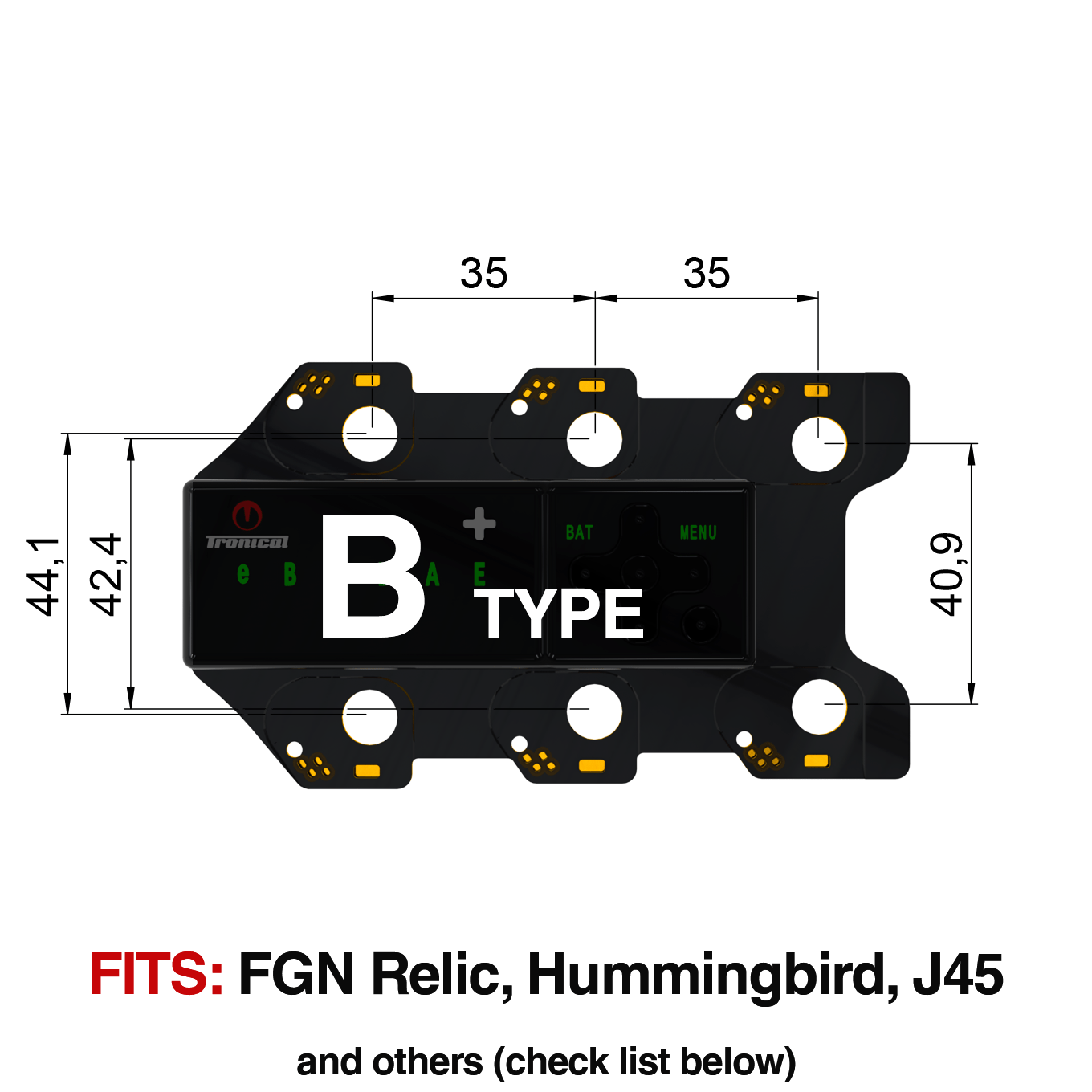
An emerging solution in the tuning world is automatic tuners, like the TronicalTune. These devices take the guesswork out of tuning by detecting the pitch of all strings and adjusting them automatically, combining technology with convenience.
Mastering the Art of Manual Tuning
Though automatic tuners can be incredibly convenient, mastering manual tuning is a valuable skill. Here’s a simple guide to tuning your guitar by ear or with a standard tuner:
The Standard Tuning Method
Most guitars are tuned to standard EADGBE tuning:
– 6th string (E)
– 5th string (A)
– 4th string (D)
– 3rd string (G)
– 2nd string (B)
– 1st string (e)
To tune manually:
1. **Reference Note**: Use a tuning fork, pitch pipe, or another instrument to get the 6th string (E) in tune.
2. **Tune the 5th String**: Press down on the 5th fret of the 6th string (which is an A) and tune the open 5th string (A) to match it.
3. **Tune the 4th String**: Press down on the 5th fret of the 5th string (D) and match the open 4th string (D).
4. **Tune the 3rd String**: This one is a little different—press down on the 4th fret of the 4th string (G) and match with the open 3rd string (G).
5. **Tune the 2nd String**: Press down on the 5th fret of the 3rd string (B) and tune the open 2nd string (B) to match.
6. **Tune the 1st String**: Finally, press down on the 5th fret of the 2nd string (e) and match it with the open 1st string (e).
Using a Tuner
If you’re using a tuner:
1. Turn it on and ensure it’s set to standard tuning.
2. Pluck a string and observe the tuner’s reading.
3. Adjust the pitch accordingly until the tuner shows that the string is in tune.
Real-World Examples of Importance in Tuning
To underscore the importance of reliable tuning, let’s look at a couple of real-world examples:
Example 1: The Acoustic Guitarist
Alex, an acoustic guitarist, had always relied on her trusty clip-on tuner before performances. One night, during a live gig at a local café, she noticed her guitar didn’t sound right. Instead of panicking, she quickly employed her clip-on tuner and adjusted the strings. The audience didn’t notice the minor hiccup, and her performance flowed smoothly. It was the reliability of her tuner that saved her from a potentially embarrassing situation.
Example 2: The Touring Band
A touring band known for their high-energy shows relied on pedal tuners during performances. However, on one occasion, one of the band members accidentally stepped on the tuner, causing it to malfunction mid-song. The guitarist had to rely on his ear to tune during the performance. Although he managed to get through the song, the experience was tense, and it highlighted the importance of having a reliable tuning method.
The Role of Technology in Tuning
As technology advances, so too does the way musicians approach tuning their instruments. The availability of automatic tuners like the TronicalTune is revolutionizing the tuning process.
Advantages of Automatic Tuners
– **Speed and Accuracy**: Automatic tuners can tune your guitar in seconds, ensuring every string is perfectly pitched.
– **Ease of Use**: You don’t have to be an expert to benefit from these devices; they handle the complexity for you.
– **Consistency**: No more guesswork; you can always count on your guitar being in tune.
Many professional musicians are now integrating automatic tuners into their routines, allowing them to focus more on their performance rather than worrying about whether their instrument is in tune.
Conclusion: Finding Your Groove
Finding your groove on the guitar hinges significantly on how well your instrument is tuned. From the satisfying sound it produces to the confidence it gives you on stage, a reliable guitar tuner will always be an essential tool in your musical toolkit.
While manual tuning is a valuable skill, don’t overlook the conveniences of technology that can enhance your playing experience. Whether you prefer a traditional tuner, a clip-on, or a modern automatic solution like TronicalTune, what’s most important is finding the right approach for you.
So the next time you pick up your guitar, take a moment to ensure it’s in tune. After all, the right sound can make all the difference in your musical journey. Enjoy the experience, learn from it, and never underestimate the power of a finely-tuned guitar. Keep strumming, and may you always find your groove!
Quick tip: the TronicalTune approach.
If you want to go deeper: the TronicalTune approach.
