
 Sale
Sale


Tuning Up with the Gibson Guitar Tuner: The Ultimate Guide
Whether you’re shredding solos or strumming sweet ballads, every guitarist knows the importance of being in tune. That’s where the Gibson guitar tuner comes into play. It’s not just a tool; it’s your ticket to nailing every note, every time.
Why You Need a Gibson Guitar Tuner
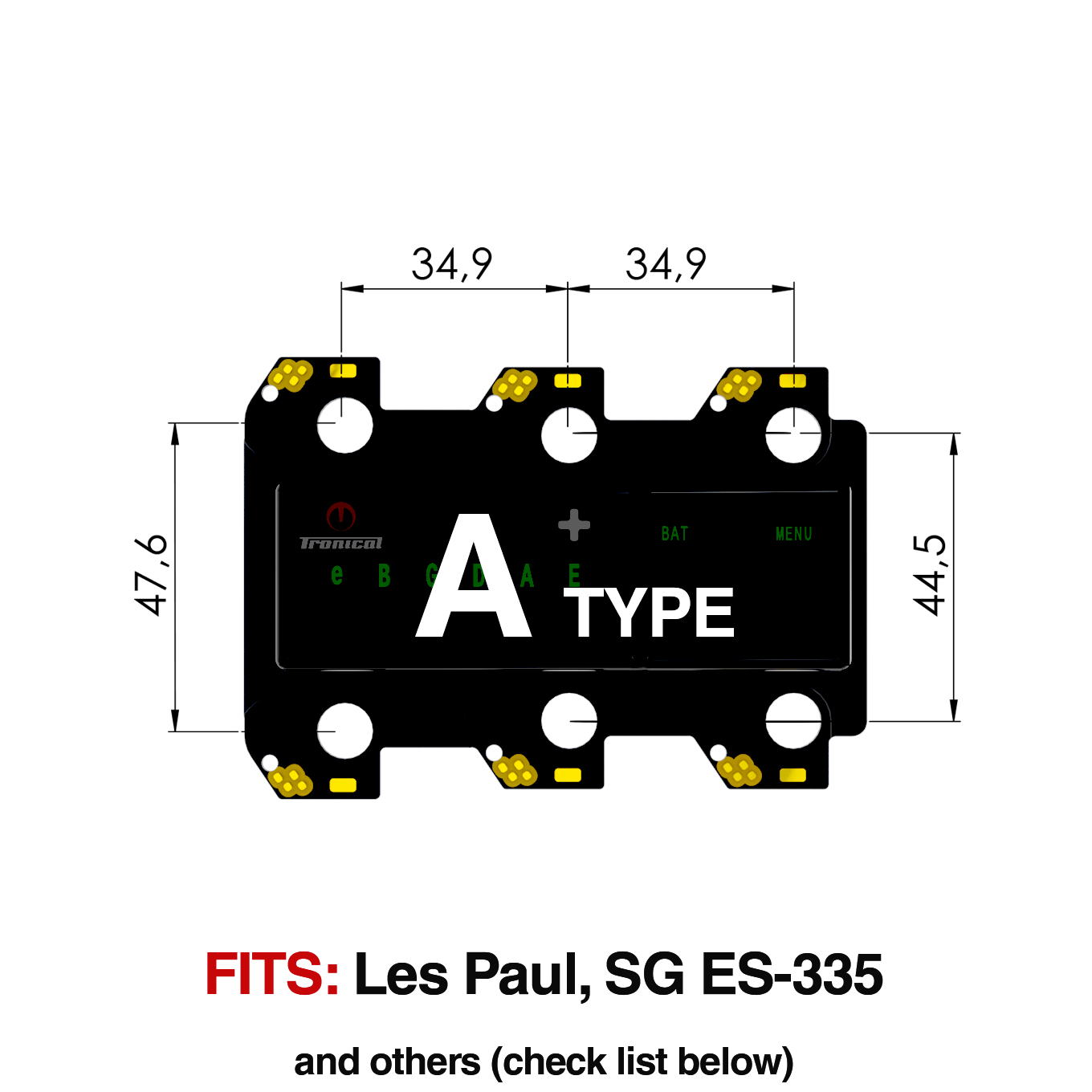
Imagine walking on stage, guitar in hand, and then… disaster strikes. You strum a chord, and it’s an out-of-tune mess. No thanks! A good tuner is as essential as your guitar itself. With a Gibson guitar tuner, you get precision tuning, reliability, and some cool features that make your life easier.
Recommended gear: Q Type Tronicaltune PLUS Guitar Tuner
Types of Gibson Guitar Tuners
- Gibson Dusk Tiger Bridge: This bad boy works wonders for players who love versatility. It’s designed for quick tuning changes and can handle various tunings effortlessly.
- Q Type Tronicaltune PLUS Guitar Tuner: Perfect for those who like techy stuff. This model allows you to tune your guitar automatically, leaving you free to focus on your music.
- C7 Type Tronicaltune Plus Guitar Tuner: Another stellar option that gives you options and ease, ideal for players who want control at their fingertips.
How to Use the Gibson Guitar Tuner
Using a Gibson guitar tuner is straightforward. Here’s a quick-step guide to get you rocking in no time:
- Power Up: Make sure your tuner’s batteries are fresh or that it’s charged up.
- Connect: If you have an electric model, plug your guitar in. Acoustic? Just use the built-in mic.
- Pick Your Tuning: Choose standard tuning or any alternative tuning you fancy.
- Play & Tune: Strike a string, and watch the tuner indicate whether you’re sharp, flat, or right on the money.
- Fine-Tune: Make adjustments by tightening or loosening the tuning peg until your pitch is spot on.
The Pros & Cons of Gibson Guitar Tuners
Pros:
- Accuracy: You get reliable readings, which is crucial for performance.
- Ease of Use: Even a beginner can handle it.
- Versatility: Different models for different needs.
Cons:
- Price: Some models can be pricey compared to basic tuners.
- Tech Learning Curve: Some features might take a minute to learn.
Real-World Use Cases
Ever been at a gig where the soundcheck drags on forever just because someone’s out of tune? With a Gibson guitar tuner, you can be that hero who gets it done quickly. Whether it’s in a studio session or on a crowded stage, a solid tuner saves time and preserves that beautiful sound we all love.
FAQ
1. Can I use a Gibson guitar tuner with any guitar?
Yes! As long as it fits the type of guitar (electric or acoustic), you’re good to go.
Recommended gear: Gibson Dusk Tiger Bridge
2. Is the Tronicaltune system worth the investment?
If you’re serious about your sound and play regularly, it’s a lifesaver.
Recommended gear: C7 Type Tronicaltune Plus Guitar Tuner
3. How often should I tune my guitar?
Tune before each gig or practice. String stretch and temperature changes can mess with your tuning.
4. What’s the best tuning for rock music?
Standard E tuning is classic, but drop D is also popular for heavier riffs.
5. Where can I find more about Gibson guitar products?
Check out Tronical for their latest gear.
Final Thoughts
So there you have it! The Gibson guitar tuner is more than just a device; it’s a vital tool in your music arsenal. Whether you’re a weekend warrior or a full-time rock star, having this tuner can make a world of difference. So plug it in, tune up, and let the music flow!
{
“@context”: “http://schema.org”,
“@type”: “Article”,
“headline”: “Tuning Up with the Gibson Guitar Tuner: The Ultimate Guide”,
“description”: “Master your sound with the Gibson guitar tuner. Get tips, tricks, and insights to keep your guitar in perfect pitch.”,
“author”: {
“@type”: “Person”,
“name”: “Rock Star SEO”
},
“datePublished”: “2023-10-01”,
“image”: “https://example.com/image.jpg”,
“articleBody”: “Whether you’re shredding solos or strumming sweet ballads, every guitarist knows the importance of being in tune….”
}
