
 Sale
Sale


Get in Tune: Your Ultimate Guide to Guitar Tuners
Let’s face it, if you’re gonna rock out, you need to be in tune. That’s where a guitar tuner struts on stage. Whether you’re a seasoned pro or just starting, keeping your axe sounding sweet is non-negotiable. In this guide, we’ll dig into the different types of tuners, their pros and cons, and how to use them like a true rockstar.
Why You Need a Guitar Tuner
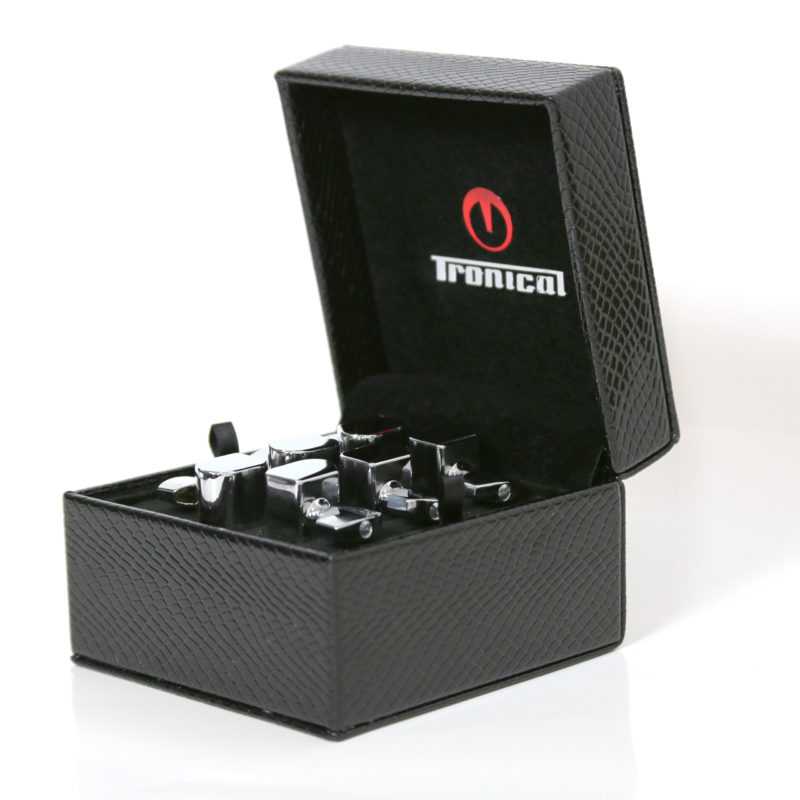

Tuning your guitar isn’t just about sounding good; it’s about feeling good. When your guitar’s in tune, your fingers dance on the fretboard, and that sweet sound flows. A solid guitar tuner is your best mate in achieving that perfect pitch. Here’s why:
- Accuracy: Get spot-on tuning every time.
- Convenience: Many tuners are quick and easy to use.
- Versatility: Some tuners can handle alternate tunings, making them great for various musical styles.
Types of Guitar Tuners
There’s a ton of tuners out there and knowing which one fits your vibe is key. Let’s break it down:
- Clip-On Tuners: These little guys attach to your headstock and pick up vibrations. They’re portable, discreet, and usually pretty accurate. Great for live shows!
- Pedal Tuners: If you’re a pedalboard junkie, a pedal tuner is your jam. They offer precise tuning and can mute your signal, which is awesome for live setups.
- App-Based Tuners: Your smartphone can be your best friend. Tons of tuning apps out there—just be sure the app is reputable. Some apps offer cool features like alternate tuning settings.
- Rack Tuners: If you’re in a studio or have a fixed setup, rack-mounted tuners are reliable and offer great visibility.
Pros and Cons of Guitar Tuners
Just like any gear, there’s a flip side. Here’s a quick rundown:
Recommended gear: PowerHead Tulip Chrome Keys
Pros:
- Precision: Keeps you in tune, which means better sound.
- Ease of Use: Most are straightforward—just clip, plug, or open the app.
- Affordability: You can find good tuners at various price points, even if you’re on a budget.
Cons:
- Battery Dependency: Some tuners require batteries, and they can die at the worst times.
- Calibration: Some may need occasional calibration, especially if you switch between different tunings.
- Size: If you go for a rack or pedal tuner, they can take up space in your setup.
Using a Guitar Tuner Effectively
Alright, so you’ve got your guitar tuner. Now what? Here’s how to use it to your advantage:
Recommended gear: Toggle Switch Gibson Firebird X
Recommended gear: E2 Type Tronicaltune PLUS Guitar Tuner
- Know Your Standard Tuning: Most guitars are tuned to E A D G B e. Make sure your tuner is set to standard tuning unless you’re going rogue.
- Pluck a String: Start with the low E string. Be clear and strike it hard enough for the tuner to pick up the sound.
- Read the Display: Follow the tuner’s indication. If it’s too sharp, lower the pitch; if it’s flat, raise it. Easy peasy.
- Double Check: Once you’ve tuned all the strings, go back to the beginning. Sometimes, tuning one string can knock others out of whack.
Recommended Guitar Tuners
Ready to level up? Here are some solid options to get you tuned and ready:
- E2 Type Tronicaltune PLUS Guitar Tuner: This bad boy offers precision and versatility, perfect for any player looking to stay sharp.
- Toggle Switch Gibson Firebird X: If you need a reliable option that blends in with your Gibson, this tuner won’t let you down.
- PowerHead Tulip Chrome Keys: These offer a sturdy build and keep you in check with every strum.
FAQ
1. How do I know if my guitar tuner is accurate?
Most tuners have a calibration setting. Tune to a known reference pitch and see if your tuner matches it. If not, adjust accordingly.
2. Can I use a guitar tuner for other string instruments?
Absolutely! Most guitar tuners work for violins, mandolins, or even bass guitars—just be sure to select the correct tuning!
3. What if my tuner keeps showing inaccurate readings?
Check the battery, nearby noise, or try re-calibrating. If all else fails, you’ve got a faulty tuner on your hands.
4. Is it better to tune by ear or use a tuner?
While tuning by ear is a valuable skill, a tuner gives you precision. As you play more, mix the two approaches!
5. Do I need to tune my guitar every time I play?
Generally, yes. Changes in temperature, humidity, and string stretching can affect tuning. A quick check before playing is always smart.
Final Thoughts
No matter your style or skill level, a guitar tuner is crucial for keeping that sound pure and powerful. With the right gear and know-how, you’ll be rocking out perfectly tuned riffs in no time. So grab that guitar tuner, get your strings crisp, and let the music flow!
{ “@context”: “https://schema.org”, “@type”: “Article”, “headline”: “Get in Tune: Your Ultimate Guide to Guitar Tuners”, “description”: “Discover the world of guitar tuners. From types to pros and cons, we’ve got everything you need for that perfect sound. Grab your guitar tuner now!”, “author”: { “@type”: “Person”, “name”: “Rock Guitarist” }, “datePublished”: “2023-10-15” }