
 Sale
Sale


The Rocker’s Guide to Guitar Tuners: Stay in Tune and Play On
So you’ve got your axe, you’ve got your riffs, but do you have a guitar tuner? Let’s face it—nothing ruins a killer jam quicker than being out of tune. Whether you’re playing in your garage, at a dive bar, or in front of thousands, a good guitar tuner is your best friend. In this guide, we’ll dive into the nitty-gritty of guitar tuners, the different types out there, and why you need one in your gear. Let’s rock!
Why You Need a Guitar Tuner
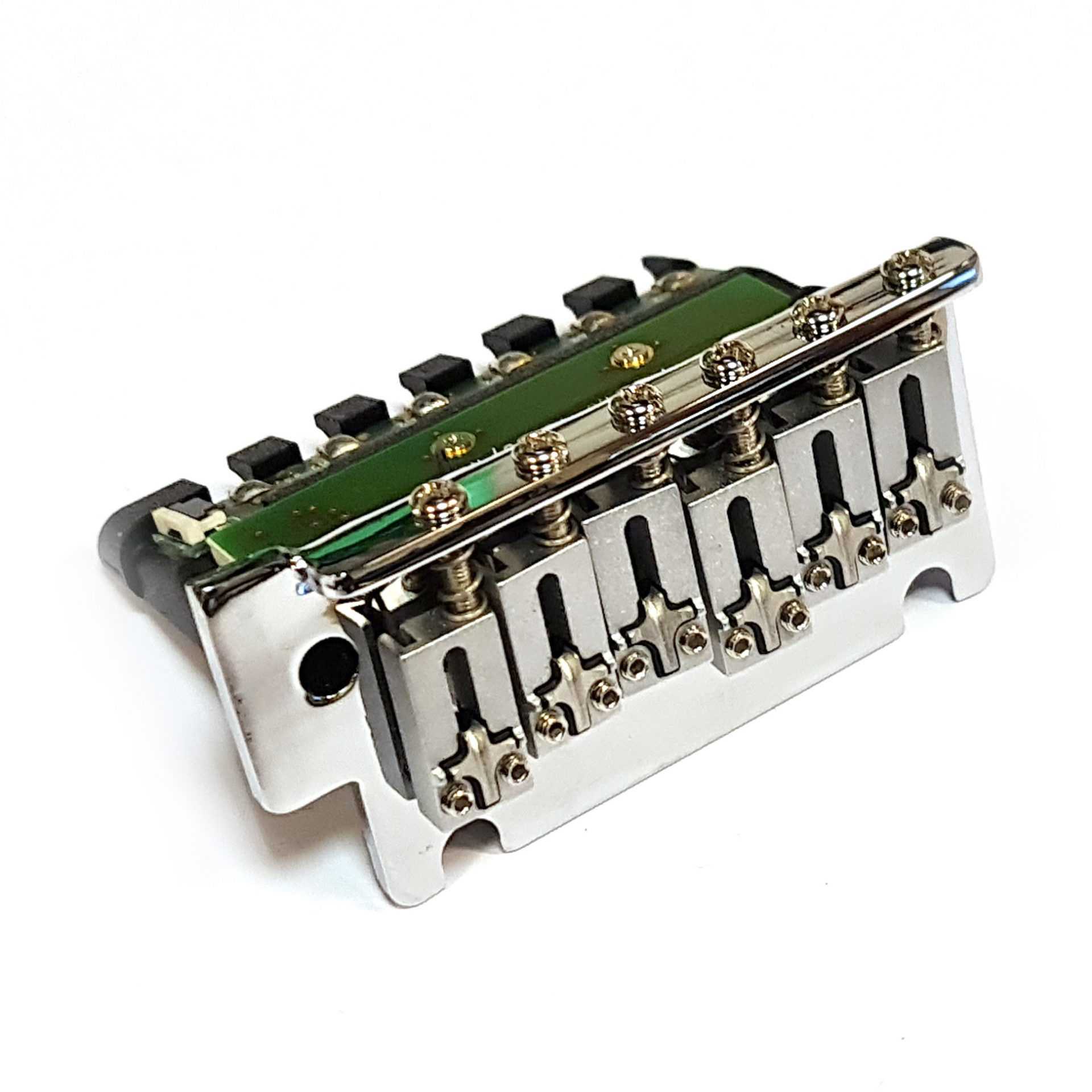
Tuning isn’t just a nice-to-have; it’s essential. Think of it this way: you wouldn’t hit the stage with a flat tire, right? Same with your guitar. If you want to sound like a rock god (or goddess), you need to start with a well-tuned instrument.
- Improved Performance: Playing with correct pitch makes everything sound twice as good.
- Confidence Boost: When you know you’re in tune, you can focus on your performance and enjoy the moment.
- Group Dynamics: If you play with other musicians, tuning is a must. Nobody wants to be the odd one out in a sour key!
The Lowdown on Guitar Tuners
Alright, let’s break it down. There are a few different types of guitar tuners, each with its own vibe and use. Knowing what’s out there will help you choose the right one for you.
1. Clip-On Tuners
These little gadgets clip onto the headstock of your guitar. They use a mic to pick up vibrations and get you in tune. Super handy for quick adjustments!
Recommended gear: Gibson Gen 1 Body Switch
- Pros: Portable, easy to use, cheap.
- Cons: Might struggle in loud environments.
Check out the X Type tuner for a great clip-on option!
2. Pedal Tuners
These are for the more serious players, often found on pedalboards. They’re robust and designed to handle live situations, ensuring you stay in tune while rocking out.
- Pros: Accurate, easy to read on stage, durable.
- Cons: Can be pricey, requires space on your pedalboard.
3. App Tuners
Smartphones are good for more than just selfies! There are tons of tuning apps available. Just fire up the app, and you’re ready to roll.
Recommended gear: X Type
Recommended gear: O Type Tronicaltune PLUS Guitar Tuner
- Pros: Convenient, often free or low-cost, multi-functional.
- Cons: Not always precise, can drain your battery.
4. Rack Tuners
If you’re setting up a studio or performing on stage, rack tuners are a pro choice. They’re usually mounted in a rack and provide a high level of accuracy.
- Pros: High accuracy, excellent visibility, robust.
- Cons: Bulky, more expensive than other options.
How to Use a Guitar Tuner
Now that you know the types, let’s talk about how to actually use one! Each tuner will have its quirks, but here’s a general process:
- Find a quiet spot. Noise can mess with tuning.
- Turn on your tuner.
- Pluck the string you want to tune. Watch the tuner’s display.
- If it’s flat, tighten the tuning peg. If it’s sharp, loosen it.
- Repeat for each string.
Practice makes perfect, so get comfortable with your tuner before you hit the stage!
Real-World Use Cases
Let’s get real. The guitar world is filled with diverse situations, and your tuner needs to shine in each:
- Practicing: Use a clip-on tuner while jamming at home. They’re quick and easy!
- Open Mics: Pedal tuners rule here. They give you accuracy and visibility.
- Recording: Rack tuners shine in the studio, keeping your sound clean.
- Gigs: Make sure you tune before hitting the stage. A well-tuned guitar makes a world of difference!
Pros & Cons of Using a Guitar Tuner
Like everything, there are ups and downs to using a guitar tuner. Let’s lay it out:
Pros:
- Precision tuning leads to better sound.
- Fast adjustments save time.
- Great for beginners who are still ear training.
Cons:
- Over-reliance can weaken your ear for tuning.
- Some models can be sensitive to noise.
- Not all tuners are created equal—some may not work well in different environments.
FAQ about Guitar Tuners
1. How often should I tune my guitar?
Tune before each session if possible. Temperature and humidity can throw your strings out of tune.
2. What if my guitar stays out of tune?
Check for any mechanical issues. Worn-out strings or a loose bridge can cause problems.
3. Can I tune other instruments with a guitar tuner?
Most guitar tuners can handle other stringed instruments, but double-check the tuning range.
4. Are digital tuners better than analog ones?
Digital tuners typically offer more precision and features than analog, but it’s a personal choice.
5. How can I improve my tuning skills?
Practice tuning by ear, and challenge yourself to tune without a tuner now and then!
Final Thoughts
Your guitar tuner is more than just a tool; it’s part of your sound. Whether you go for a O Type Tronicaltune PLUS Guitar Tuner, try an app, or stick with a classic clip-on, find what works for you and make it rock. Tune up, play hard, and let your music do the talking!
{
“@context”: “https://schema.org”,
“@type”: “Article”,
“headline”: “The Rocker’s Guide to Guitar Tuners: Stay in Tune and Play On”,
“description”: “Master your sound with the right guitar tuner. Get tips, pros, and cons for a killer performance with your guitar tuner.”,
“author”: “Rock Guitarist”,
“datePublished”: “2023-10-01”
}
