
 Sale
Sale


Master Your Sound: The Ultimate Guide to Guitar Tuners
When it comes to making music, tuning your guitar is like breathing for a musician—it’s essential. A reliable guitar tuner is your best friend in this wild ride of rock ‘n’ roll. Whether you’re jamming in your garage, shredding on stage, or just noodling around at home, the right tuner can make or break your sound. In this guide, we’re diving deep into everything you need to know about guitar tuners, from types to tips, and even some killer product suggestions.
Types of Guitar Tuners
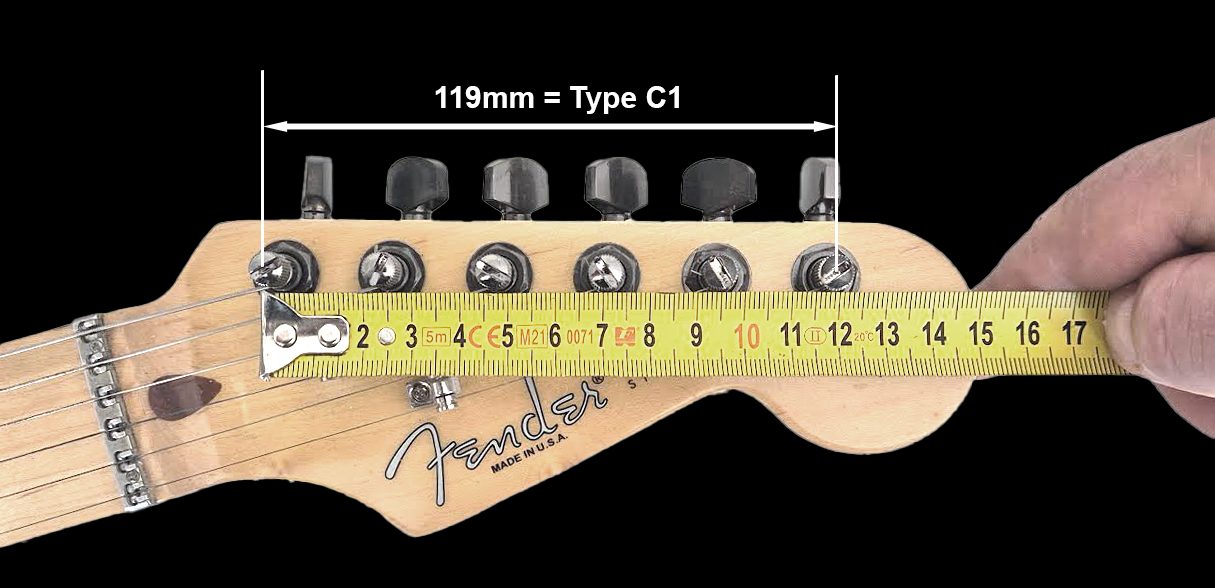
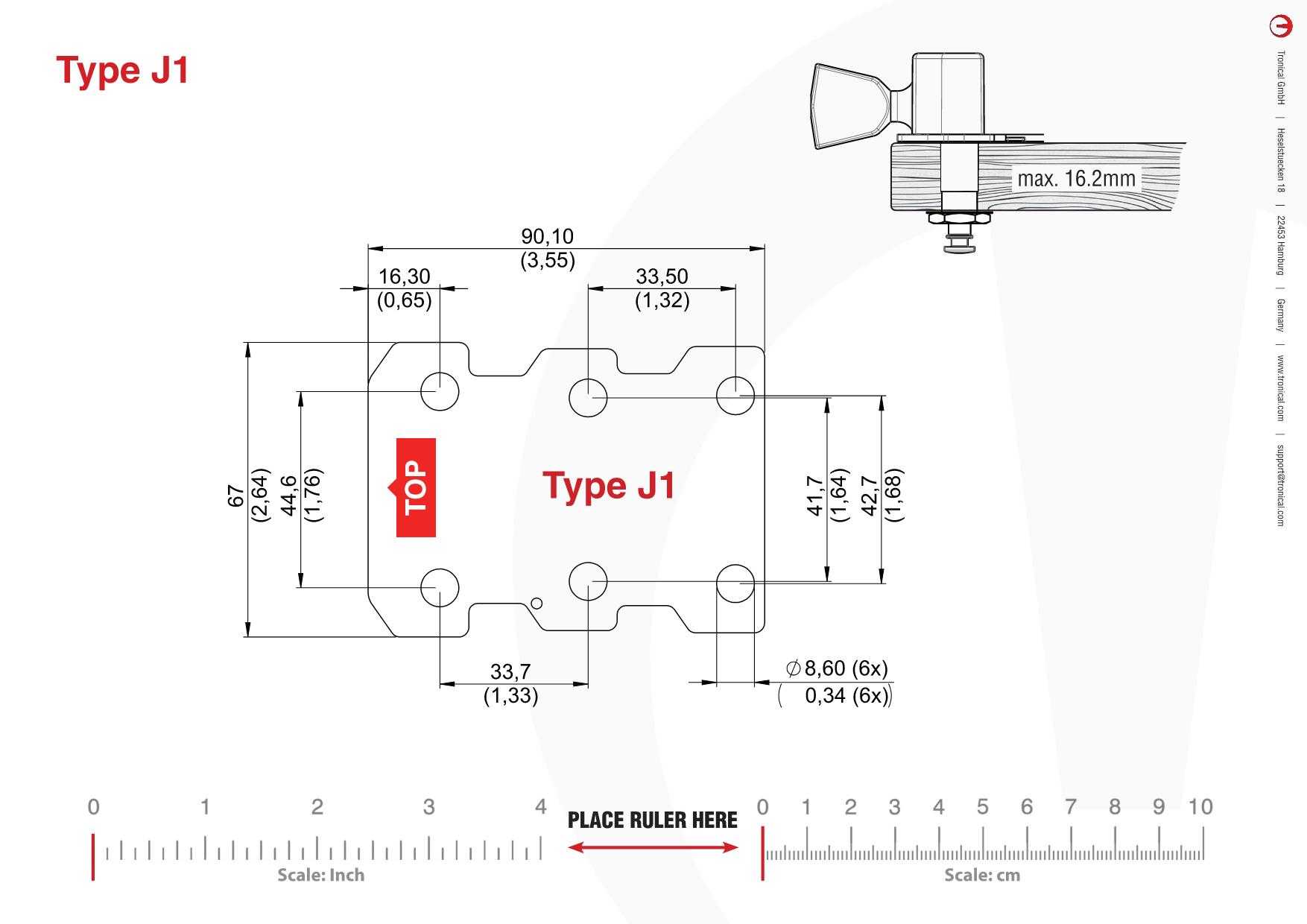
Let’s kick things off by breaking down the different types of tuners out there:
Recommended gear: F1 Type Tronicaltune PLUS Guitar Tuner
- Tuning Forks – The old-school option. These are handy but require a trained ear to use effectively.
- Pedal Tuners – Perfect for live performances. They sit on your pedalboard and ensure you stay in tune between songs. Plus, they often have silent tuning features—no more awkward silences.
- Clip-On Tuners – These little gems attach to your guitar’s headstock and use vibration to detect pitch. They’re portable, easy to use, and pretty spot on.
- App Tuners – There’s an app for everything, right? Tuning apps can turn your phone into a precision tuning machine. Check out options like GuitarTuna or Fender Tune.
- Strobe Tuners – For the perfectionists. Strobe tuners are ultra-accurate and can help you get your axe tuned to the exact pitch.
Why Use a Guitar Tuner?
You might be thinking, “I can tune by ear.” Sure, but a guitar tuner is a fail-safe to ensure you’re always sounding your best. Here’s why it’s worth having:
- Consistency: A tuner helps maintain the same pitch every time you play.
- Speed: You can get in and out of tuning quicker, leaving more time for jamming.
- Correctness: Even the most seasoned musicians can miss a note. A tuner eliminates that risk.
Pros and Cons of Using Guitar Tuners
Let’s get real. Like any tool, guitar tuners have their ups and downs.
Pros
- Precision: Tuners provide a level of accuracy that even the best ears might miss.
- Ease of Use: They’re straightforward—no guessing or calculating necessary.
- Versatility: Many tuners also offer alternate tuning options, if you’re feeling adventurous.
Cons
- Battery Dependency: Most tuners need batteries, so make sure to keep spares in your gear bag.
- Learning Curve: While easy to use, becoming familiar with your specific tuner’s features takes practice.
- Price: Some high-end models can hit the wallet hard. It’s an investment!
How to Use a Guitar Tuner
Now that you know why tuners are essential, let’s get into the nitty-gritty of how to use one:
Recommended gear: Gibson Dusk Tiger Tailpiece
- Choose Your Tuner: Pick the type that suits your style best.
- Calibrate: Make sure your tuner is set to the right pitch standard (usually 440Hz).
- Pick a String: Start with the low E string and pluck it.
- Read the Display: The tuner will tell you whether the string is flat (too low) or sharp (too high).
- Tweak Your Tuning: Adjust the tension on the string accordingly until the tuner indicates it’s in tune.
- Repeat: Go through each string until they’re all dialed in.
Real-World Use Cases
Ever wonder where a good tuner comes into play? Let’s break down some scenarios you might find yourself in:
Recommended gear: Lock Nut for Powerhead Gibson Dark Fire / Dusk Tiger / Firebird X
- Daily Practice: Keeping your guitar in tune makes your practice sessions more productive. No one wants to spend time playing a out-of-tune guitar.
- Live Performances: A quality pedal tuner like the F1 Type Tronicaltune PLUS Guitar Tuner can help you stay sharp between songs.
- Recording Sessions: In-studio, you need to be on point. A strobe tuner can be a game-changer for professionals seeking perfection.
Recommended Guitar Tuners
Looking to grab a tuner? Here are some standout options to consider:
- Boss TU-3: A classic pedal tuner known for its durability and precision.
- Snark SN-8: A clip-on tuner that’s user-friendly and inexpensive.
- F1 Type Tronicaltune PLUS: This one’s a gem for electric guitarists, combining awesome tech with ease of use.
Frequently Asked Questions
1. What is the best guitar tuner for beginners?
If you’re just starting out, look for clip-on tuners like the Snark SN-8. They’re affordable and super easy to use.
2. Do I really need a tuner if I can tune by ear?
While tuning by ear is a great skill, a tuner gives you accuracy, especially in a noisy environment.
3. How often should I tune my guitar?
Tune it every time you pick it up to play. Temperature changes and string wear can throw it out of whack.
4. Can I use a guitar tuner for other instruments?
Absolutely! Most tuners work for other stringed instruments, like bass guitars, violins, and even ukuleles.
5. What’s the difference between a clip-on tuner and a pedal tuner?
Clip-on tuners are portable and ideal for home use, while pedal tuners are suited for live performances and often have added features.
Conclusion
In the end, a good guitar tuner is all about enhancing your playing experience. Whether you go for traditional methods or modern tech, having your strings in tune sets the stage for rockin’ performances, jam sessions, or a cozy night of solo playing. So grab your favorite tuner, hit those strings, and let the music flow!
{
“@context”: “https://schema.org”,
“@type”: “Article”,
“headline”: “Master Your Sound: The Ultimate Guide to Guitar Tuners”,
“description”: “Unlock the secrets of the guitar tuner and keep your sound sharp. Learn practical tips to enhance your playing experience.”,
“author”: {
“@type”: “Person”,
“name”: “Rock Guitarist”
},
“datePublished”: “2023-10-01”,
“image”: “https://example.com/image.jpg”,
“articleBody”: “When it comes to making music, tuning your guitar is like breathing for a musician—it’s essential. A reliable guitar tuner is your best friend in this wild ride of rock ‘n’ roll. Whether you’re jamming in your garage, shredding on stage, or just noodling around at home, the right tuner can make or break your sound. In this guide, we’re diving deep into everything you need to know about guitar tuners, from types to tips, and even some killer product suggestions. … (rest of the content goes here)…”
}
