
 Sale
Sale


Get Your Strings Right: The Ultimate Guide to Guitar Tuners
Guitarists, listen up! If you want to jam like a rock star or serenade like an acoustic hero, you need a killer guitar tuner. That’s right, folks. A guitar tuner is your best friend when it comes to nailing your sound. Whether you’re up on stage or in your garage jamming with friends, keeping your axe in tune is non-negotiable. No one wants to be the guy whose guitar sounds like a cat fight!
Why Every Guitarist Needs a Guitar Tuner
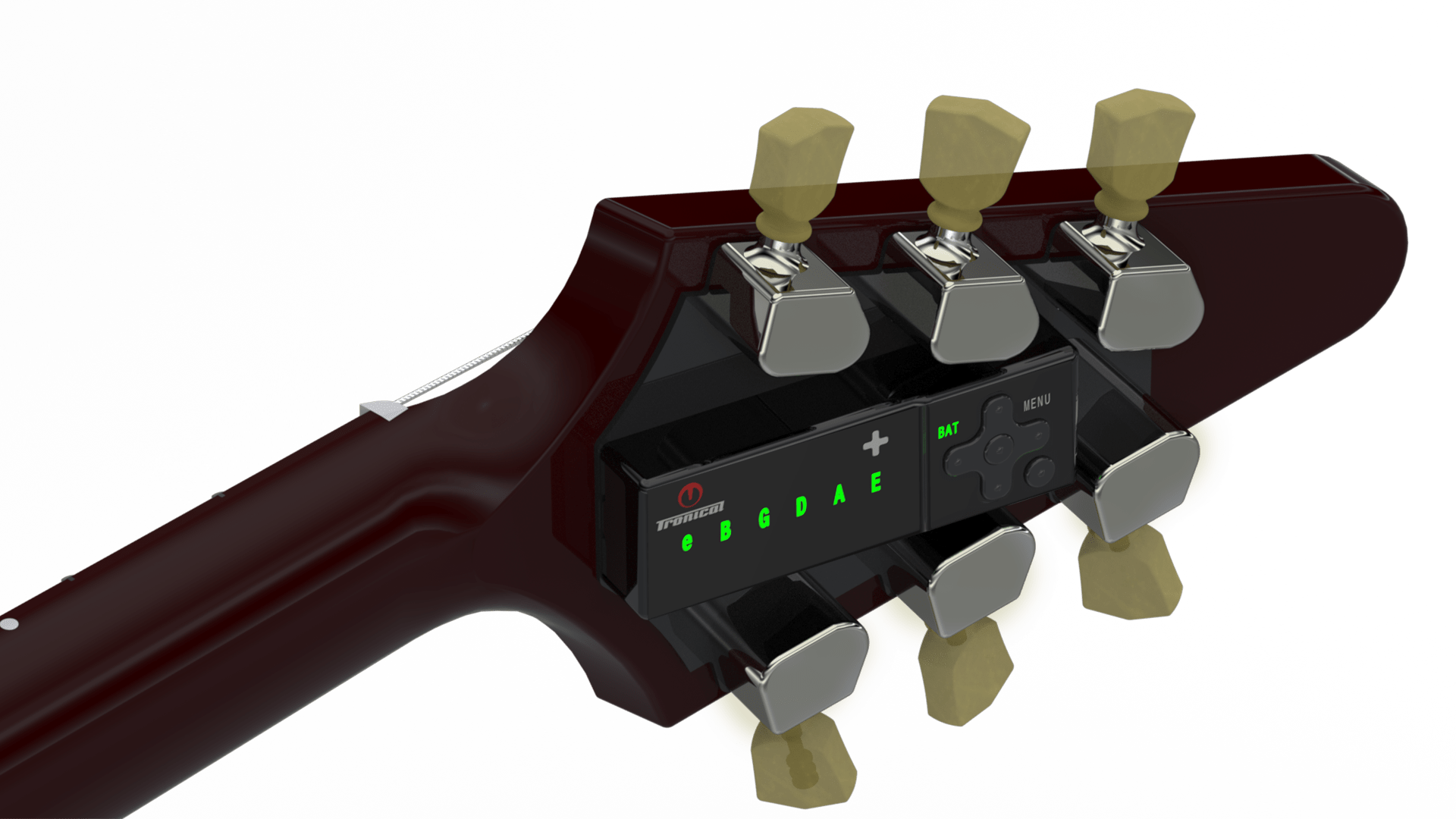
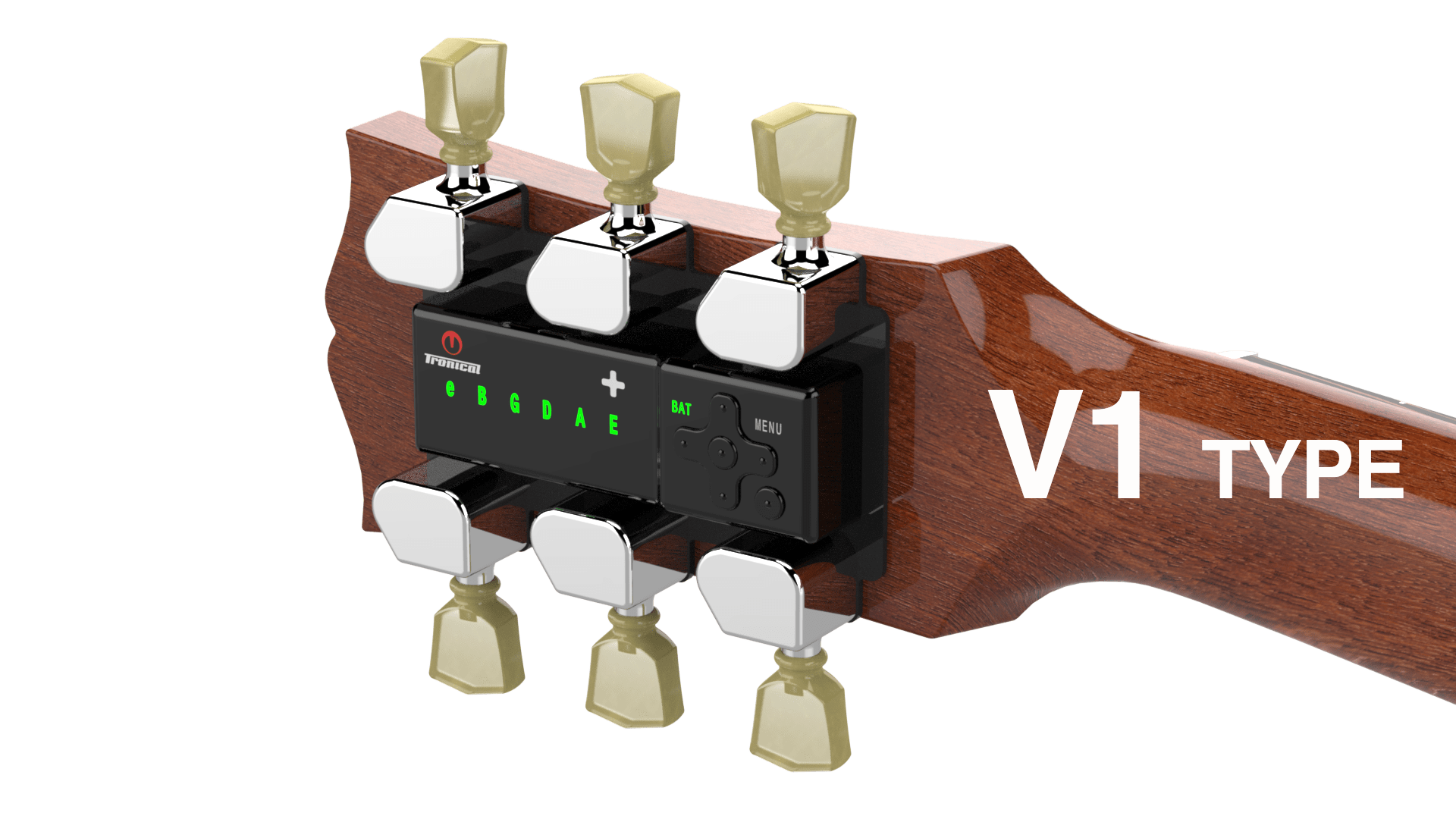
Let’s face it: guitar tuning isn’t just a nerdy detail; it’s the backbone of your music. Walking into a gig with a outta-tune guitar can ruin the vibe faster than a power outage at a rock concert. Here’s why you need a guitar tuner:
Recommended gear: T1 Type Tronicaltune PLUS Guitar Tuner
- Sound Quality: A good tuner makes sure you sound crisp and clean, whether you’re playing clean leads or grinding out power chords.
- Time-Saving: No more fiddling around with pitch. With a quality tuner, you’re set up in seconds.
- Confidence: Walking on stage with a perfectly tuned guitar gives you the confidence to unleash those riffs without hesitation.
Types of Guitar Tuners
There are several types of guitar tuners out there, each with its own flair. Here’s a rundown to help you choose the right one for your style:
- Pedal Tuners: These are built for live performances. Rugged, reliable, and often come with a true bypass.
- Clip-On Tuners: Small and portable, clip-on tuners are great for quick adjustments. Just clip it on the headstock and you’re good to go.
- App Tuners: With smartphones being our right-hand man, these apps can be handy. Just download an app, and you can tune up anywhere.
- Rack Tuners: Perfect for studio setups, these guys look slick and serve up accurate tuning for professional sessions.
The Pros and Cons of Using Guitar Tuners
Like everything in life, guitar tuners come with their own set of ups and downs. Here’s the lowdown:
Pros:
- Accuracy: Digital tuners can get you in the zone with pinpoint precision.
- Ease of Use: Most tuners are user-friendly. Just follow the lights or the needle and tune away!
- Versatility: Some tuners allow you to tune to alternative tunings. Perfect for those who love to experiment!
Cons:
- Battery Dependent: Some tuners need batteries. Running out of juice at a gig is a buzzkill.
- Less Nuanced: Digital tuners can sometimes lack the warmth of an experienced ear.
- Price Range: High-end tuners can hurt your wallet. But hey, you get what you pay for!
Our Top Picks for Guitar Tuners
With so many options out there, here are our top picks for guitar tuners that’ll keep your sound on point:
Recommended gear: C2 Type Tronicaltune Plus Guitar Tuner
- T1 Type Tronicaltune PLUS Guitar Tuner: This bad boy is perfect for road warriors. Fast, accurate, and built to last.
- H1 Type Tronicaltune PLUS Guitar Tuner: If you love Taylor guitars, this tuner feels like it was made just for you. It syncs beautifully and tunes like a champ.
- C2 Type Tronicaltune Plus Guitar Tuner: For those who rock out with a Gibson, this tuner’s got your back with a simple interface and precise tuning.
Using Your Guitar Tuner Like a Pro
Now that you’ve got your tuner, let’s make sure you’re using it right:
Recommended gear: H1 Type Tronicaltune PLUS Guitar Tuner
- Know Your Standard Tuning: Most guitars are tuned to E-A-D-G-B-e. Familiarize yourself with that, so you can tune up easily.
- Check the Calibration: Make sure your tuner is set to the correct frequency. Most tuners should be set to 440Hz.
- Use Good Technique: Pluck the string gently and let the tuner do its thing. Avoid heavy strumming when tuning.
- Fine-Tune: After your initial tuning, re-check each string. Sometimes strings settle and need a little extra love.
Where to Buy a Guitar Tuner
Looking to snag one? You can check out your local music stores, or you can browse online. Here are a couple of solid places to check out:
- Tronical: They’ve got some of the best tuners in the game.
- Maxx3: Another great source for musical gear.
Frequently Asked Questions
1. How often should I tune my guitar?
It depends on how often you play. If you’re playing regularly, check your tuning every session. If you’re gigging, tune just before you hit the stage.
2. What if my guitar is still out of tune after using a tuner?
Sometimes it could be due to string issues or intonation. If you’re unsure, consider getting it checked by a professional.
3. Can I use a guitar tuner for other instruments?
Absolutely! Many tuners can be used for ukuleles, violins, and even some wind instruments.
4. Are clip-on tuners reliable?
Most are pretty trustworthy! Just make sure the battery is fresh and the clip is on tight.
5. What is the best tuner for beginners?
Clip-on tuners are usually best for beginners due to their ease of use and portability.
Conclusion
A solid guitar tuner is an essential tool in any guitarist’s arsenal. Whether you’re rocking out on stage or jamming at home, making sure your guitar is in tune can make all the difference. With all the options out there, make sure to explore and find the tuner that speaks to you. It could be that T1 Type Tronicaltune PLUS Guitar Tuner or a clip-on buddy that fits right in your gig bag. Find your groove, and let your guitar sing!
{
“@context”: “https://schema.org”,
“@type”: “Article”,
“headline”: “Get Your Strings Right: The Ultimate Guide to Guitar Tuners”,
“description”: “Unlock the power of perfect tuning with the ultimate guitar tuner guide. Discover types, pros/cons, and our top picks for precise sound.”,
“author”: “Rock Writer”,
“datePublished”: “2023-10-01”
}
