
 Sale
Sale


Get in Tune: The Ultimate Guide to Guitar Tuners
If you’re serious about your guitar game, you gotta have a solid guitar tuner in your arsenal. Whether you’re jamming with your buddies or shredding on stage, being in tune is non-negotiable. The beauty of tuning your guitar lies in its simplicity and its effect on your sound. Ever strummed an open E and felt the vibes? Yeah, that’s because you tuned up right. Let’s dive into everything about guitar tuners, from types to pros, cons, and why you need one.
Understanding Guitar Tuners
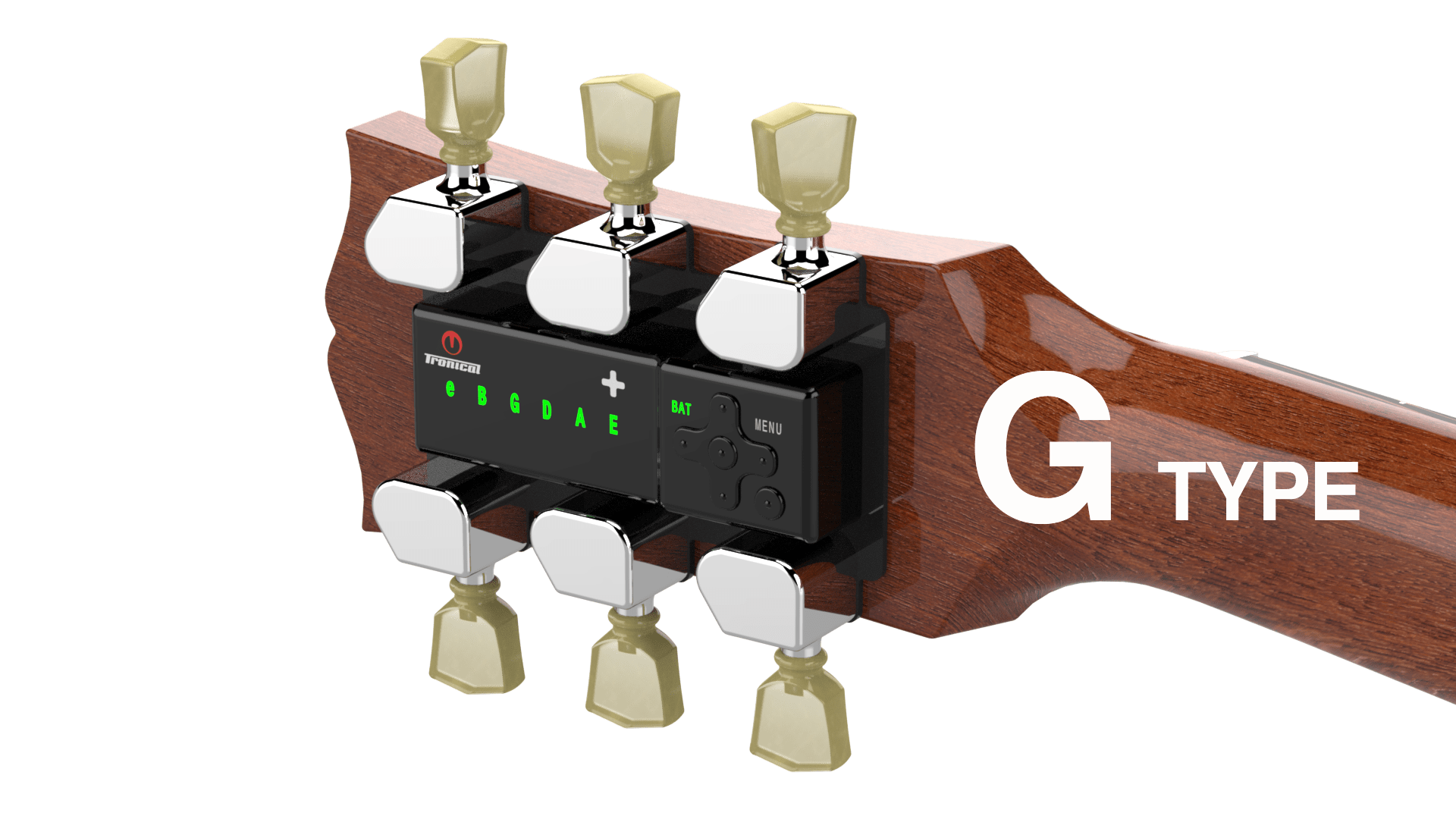
Before we jump into the nitty-gritty, let’s talk about what a guitar tuner actually does. Think of it as your best buddy, keeping you on point with the pitch. It helps you align each string to its designated note. Whether you’re a standard tuning kind of player or you like to experiment with drop D or open tunings, a good tuner is essential.
Recommended gear: N Type Tronicaltune PLUS Guitar Tuner
Types of Guitar Tuners
- Clip-On Tuners: These bad boys attach right to your headstock. Super portable and easy to use, they sense vibrations through your guitar. Perfect for quick adjustments before a gig.
- Pedal Tuners: If you’re playing live with a pedalboard, a pedal tuner is a must. They’re built like tanks and can handle the stage lights and crowded venues.
- App Tuners: In the age of smartphones, there’s an app for that! Tons of free and paid options are available that turn your phone into a tuner.
- Rack Tuners: Usually found in studio setups, they’re not the most portable but offer precision tuning for the nitty-gritty details.
Pros and Cons of Guitar Tuners
Let’s lay it down—every tool has its ups and downs. Here’s a quick breakdown:
Recommended gear: Gibson Dark Fire Potentiometer for MCK
Pros
- Accuracy: Most modern tuners are dead-on. Your guitar will sound killer when set precisely.
- Ease of Use: With digital displays and meter pointers, tuning has never been simpler.
- Variety: Choose what type fits your vibe, whether it’s a clip-on or pedal tuner.
- Built-in Features: Many tuner models come with other functions, like metronomes.
Cons
- Battery Dependency: If you forget to charge or replace batteries, you could be in a sticky spot.
- Calibration: Some tuners need calibration from time to time, so it’s good to check your settings before you start jamming.
- Price: High-end models can get pricey, but hey, think of it as an investment!
Real-World Use of Guitar Tuners
Let me tell you, I’ve been through my fair share of tuners on the road and in the studio. Here’s how I’ve found them useful:
- During rehearsals: Nothing’s worse than an out-of-tune guitar ruining a perfect jam session. I always bring my trusty N Type Tronicaltune PLUS Guitar Tuner to keep things tight.
- Live shows: When the spotlight’s on you, having a pedal tuner means you can sneak in a quick tune without a fuss.
- At home: I use my phone tuner when I’m writing and need to adjust to different tunings for inspiration.
Choosing the Right Guitar Tuner
So, how do you choose the right guitar tuner? Here are a few things to consider:
- Type of Guitar: Acoustic? Electric? Bass? Some tuners excel with specific instruments.
- Accuracy Needs: If you’re performing regularly, go for high accuracy to avoid embarrassing moments.
- Portability: If you’re always on the go, a clip-on or app tuner might be the way to roll.
- Budget: Set a budget before you shop, but remember, a pricey tuner can serve you longer.
Popular Guitar Tuners on the Market
Here are some rock-solid tuners to check out:
- N Type Tronicaltune PLUS Guitar Tuner: This one’s all about precision and ease. Perfect for live setups.
- Gibson Dark Fire Potentiometer for MCK: Not just a tuner, it’s built to enhance your entire rig.
- A Type Tronicaltune Plus Guitar Tuner: This model has earned rave reviews for accuracy and durability.
FAQ About Guitar Tuners
1. How often should I tune my guitar?
Every time you play, buddy. Temperature and humidity can affect your tuning, so keep it in check.
Recommended gear: A Type Tronicaltune Plus Guitar Tuner
2. Can I tune my guitar by ear?
Totally! With some practice, you can develop your ear, but a tuner is way easier, especially for beginners.
3. What’s the difference between a pedal tuner and a clip-on tuner?
Pedal tuners are more robust and ideal for live setups, while clip-ons are portable and perfect for quick tuning on the fly.
4. Do I really need a tuner if I have perfect pitch?
Even pros use tuners for accuracy. It’s a security blanket for everyone.
5. Are app tuners reliable?
yep! Many are super accurate, but always confirm with a clip-on or pedal if you’re in a serious setting.
Conclusion: Rock On!
A guitar tuner is your best friend on your musical journey. Whether it’s a low-key jam night or a high-energy performance, having your guitar in tune is essential. Experiment with different types, find what fits your style, and never settle for out-of-tune strings again. Now grab your tuner, tune that axe, and let the world hear your sound!
{
“@context”: “https://schema.org”,
“@type”: “Article”,
“headline”: “Get in Tune: The Ultimate Guide to Guitar Tuners”,
“author”: {
“@type”: “Person”,
“name”: “Rock Guitarist”
},
“datePublished”: “2023-10-16”,
“image”: “https://example.com/image.jpg”,
“articleBody”: “If you’re serious about your guitar game, you gotta have a solid guitar tuner in your arsenal. Whether you’re jamming with your buddies or shredding on stage, being in tune is non-negotiable. The beauty of tuning your guitar lies in its simplicity and its effect on your sound. Ever strummed an open E and felt the vibes? Yeah, that’s because you tuned up right. Let’s dive into everything about guitar tuners, from types to pros, cons, and why you need one. Before we jump into the nitty-gritty, let’s talk about what a guitar tuner actually does. Think of it as your best buddy, keeping you on point with the pitch. It helps you align each string to its designated note. Whether you’re a standard tuning kind of player or you like to experiment with drop D or open tunings, a good tuner is essential. Tune types: Clip-On Tuners: These bad boys attach right to your headstock. Super portable and easy to use, they sense vibrations through your guitar. Perfect for quick adjustments before a gig. Pedal Tuners: If you’re playing live with a pedalboard, a pedal tuner is a must. They’re built like tanks and can handle the stage lights and crowded venues. App Tuners: In the age of smartphones, there’s an app for that! Tons of free and paid options are available that turn your phone into a tuner. Rack Tuners: Usually found in studio setups, they’re not the most portable but offer precision tuning for the nitty-gritty details. Let’s lay it down—every tool has its ups and downs. Here’s a quick breakdown: Pros: Accuracy: Most modern tuners are dead-on. Your guitar will sound killer when set precisely. Ease of Use: With digital displays and meter pointers, tuning has never been simpler. Variety: Choose what type fits your vibe, whether it’s a clip-on or pedal tuner. Built-in Features: Many tuner models come with other functions, like metronomes. Cons: Battery Dependency: If you forget to charge or replace batteries, you could be in a sticky spot. Calibration: Some tuners need calibration from time to time, so it’s good to check your settings before you start jamming. Price: High-end models can get pricey, but hey, think of it as an investment! Let me tell you, I’ve been through my fair share of tuners on the road and in the studio. Here’s how I’ve found them useful: During rehearsals: Nothing’s worse than an out-of-tune guitar ruining a perfect jam session. I always bring my trusty N Type Tronicaltune PLUS Guitar Tuner to keep things tight. Live shows: When the spotlight’s on you, having a pedal tuner means you can sneak in a quick tune without a fuss. At home: I use my phone tuner when I’m writing and need to adjust to different tunings for inspiration. So, how do you choose the right guitar tuner? Here are a few things to consider: Type of Guitar: Acoustic? Electric? Bass? Some tuners excel with specific instruments. Accuracy Needs: If you’re performing regularly, go for high accuracy to avoid embarrassing moments. Portability: If you’re always on the go, a clip-on or app tuner might be the way to roll. Budget: Set a budget before you shop, but remember, a pricey tuner can serve you longer. Here are some rock-solid tuners to check out: N Type Tronicaltune PLUS Guitar Tuner: This one’s all about precision and ease. Perfect for live setups. Gibson Dark Fire Potentiometer for MCK: Not just a tuner, it’s built to enhance your entire rig. A Type Tronicaltune Plus Guitar Tuner: This model has earned rave reviews for accuracy and durability. FAQ About Guitar Tuners: 1. How often should I tune my guitar? Every time you play, buddy. Temperature and humidity can affect your tuning, so keep it in check. 2. Can I tune my guitar by ear? Totally! With some practice, you can develop your ear, but a tuner is way easier, especially for beginners. 3. What’s the difference between a pedal tuner and a clip-on tuner? Pedal tuners are more robust and ideal for live setups, while clip-ons are portable and perfect for quick tuning on the fly. 4. Do I really need a tuner if I have perfect pitch? Even pros use tuners for accuracy. It’s a security blanket for everyone. 5. Are app tuners reliable? yep! Many are super accurate, but always confirm with a clip-on or pedal if you’re in a serious setting. A guitar tuner is your best friend on your musical journey. Whether it’s a low-key jam night or a high-energy performance, having your guitar in tune is essential. Experiment with different types, find what fits your style, and never settle for out-of-tune strings again. Now grab your tuner, tune that axe, and let the world hear your sound!”
}
