
 Sale
Sale


Why Every Guitarist Needs a Guitar Tuner
If you’re serious about your music, you can’t skip on a good guitar tuner. Simple as that. Whether you’re strumming your heart out in a garage band or shredding in your living room, keeping your guitar in tune is crucial. Why? Because no one wants to sound like a cat in a blender when they hit that sweet solo. In this blog, we’re diving deep into the world of guitar tuners—what they are, why they matter, and how to choose the right one for you.
The Basics: What Is a Guitar Tuner?
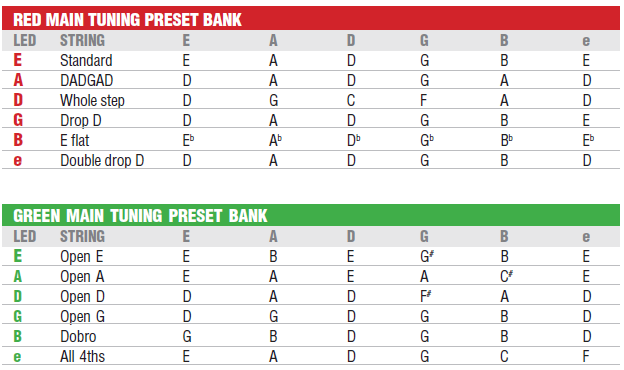

A guitar tuner is a device that helps you tune your guitar to the correct pitch. Basically, it’s your best buddy when it comes to making sure you sound good. There are several types out there: clip-on, pedal, smartphone apps, and even those old-school tuners that look like they belong in a 70s disco.
Recommended gear: 2 x Rechargeable LiPo Battery for Tronicaltune
Types of Guitar Tuners
- Clip-On Tuners: These bad boys attach to your guitar’s headstock and pick up vibrations. They’re portable and easy to use.
- Pedal Tuners: Perfect for the stage, these sit on the floor and can be integrated into your pedalboard. Plug it in, and you’re good to go.
- App Tuners: Got a smartphone? There’s an app for that! Tons of options available; just make sure it’s a decent one.
- Analog Tuners: If you love the vintage vibe, these classic models will give you a warm, fuzzy feeling—just like your favorite vinyl.
Why You Need a Guitar Tuner
So, why fork out your hard-earned cash for a tuner? Here are the real-world benefits:
Recommended gear: Guitar Volume Tone Knob SET Potentiometer Cap Black
- Sound Quality: A properly tuned guitar sounds better. Period.
- Practice Efficiency: Spend less time tuning and more time playing. Trust me, your future self will thank you.
- Performance Confidence: Walk on stage knowing you’re in tune and ready to rock the crowd.
- Learning Tool: Great for beginners to understand pitch and notes. It’s like having a mini-music teacher at your side.
Pros and Cons of Different Guitar Tuners
Every type of tuner has its ups and downs. Here’s a quick breakdown:
Recommended gear: Rechargeable LiPo Battery for Tronicaltune + USB charging cable
Clip-On Tuners
- Pros: Compact, affordable, and easy to use.
- Cons: Can be less accurate with certain guitars or in noisy environments.
Pedal Tuners
- Pros: Accurate and built for performance settings; can handle multiple instruments.
- Cons: More expensive and adds weight to your pedalboard.
App Tuners
- Pros: Often free and pretty darn accurate.
- Cons: Not as reliable in loud settings and drains battery fast.
Analog Tuners
- Pros: Rugged and vintage look; great for those who love the old-school vibe.
- Cons: Can be less precise than digital options.
How to Use a Guitar Tuner
Using a tuner isn’t rocket science, but here’s a basic rundown:
- Turn it on and set it to the guitar tuning mode.
- Pluck a string and watch the display. It shows you if you’re sharp, flat, or right on the money.
- Adjust the tension of the tuning peg until you hit that sweet spot.
- Repeat this for all strings!
Best Guitar Tuners in the Market
Wanna know which ones are worth your money? Check out these top picks:
- Snark SN-8: A clip-on tuner with a great display and accuracy—perfect for any guitarist.
- Boss TU-3: The king of pedal tuners. It’s sturdy, reliable, and a pro favorite.
- TuneBot Gig: A great app for your smartphone that’s super easy to use.
Maintaining Your Guitar Tuner
Like a rock band, your tuner needs a little TLC too. Here’s how to keep it going:
- Store it in a safe place to avoid damage.
- Keep the battery fresh—speaking of which, check out the Rechargeable LiPo Battery for Tronicaltune for your clip-on.
- Clean the screen and body to keep it looking sharp.
FAQ Section
1. How often should I tune my guitar?
If you’re playing regularly, check your tuning before every session. New strings might need extra attention.
2. Can I use my phone as a guitar tuner?
Absolutely! There are tons of solid apps out there—just make sure they’re accurate.
3. What is the best tuning for beginners?
E standard tuning (E-A-D-G-B-e) is the most common and easiest to start with.
4. How do I know if my guitar is in tune?
Your tuner will show it! Listen for a pleasant sound—if it’s not jarring, you’re likely good.
5. Do I really need a tuner if I have great pitch?
Even pros use tuners! They save time and ensure consistency.
Wrap Up
In the end, a guitar tuner is an essential tool for anyone serious about their sound. It’s like having a personal sound technician ready to help you hit those killer notes. Don’t just take my word for it—get yourself one and see the difference it makes in your playing. Remember, a well-tuned guitar is a happy guitar. And who knows? You might just find your new favorite sound!
{“@context”:”http://schema.org”,”@type”:”Article”,”headline”:”Why Every Guitarist Needs a Guitar Tuner”,”author”:{“@type”:”Person”,”name”:”Rock Writer”},”datePublished”:”2023-10-01″,”image”:”https://example.com/image.jpg”,”articleBody”:”If you’re serious about your music, you can’t skip on a good guitar tuner. Simple as that. Whether you’re strumming your heart out in a garage band or shredding in your living room, keeping your guitar in tune is crucial. Why? Because no one wants to sound like a cat in a blender when they hit that sweet solo. In this blog, we’re diving deep into the world of guitar tuners—what they are, why they matter, and how to choose the right one for you.n”}”}
