
 Sale
Sale


The Ultimate Guide to Guitar Tuners: Tune Up Like a Pro
Every rock guitarist knows that the sound of their instrument starts with one crucial step: tuning. A reliable guitar tuner is your best friend, whether you’re jamming at home, laying down tracks in the studio, or hitting the stage. If your guitar’s not in tune, then you’re just making noise, not music. So, let’s dive deep into the world of guitar tuners and figure out how to keep that six-string sounding its best!
What is a Guitar Tuner?
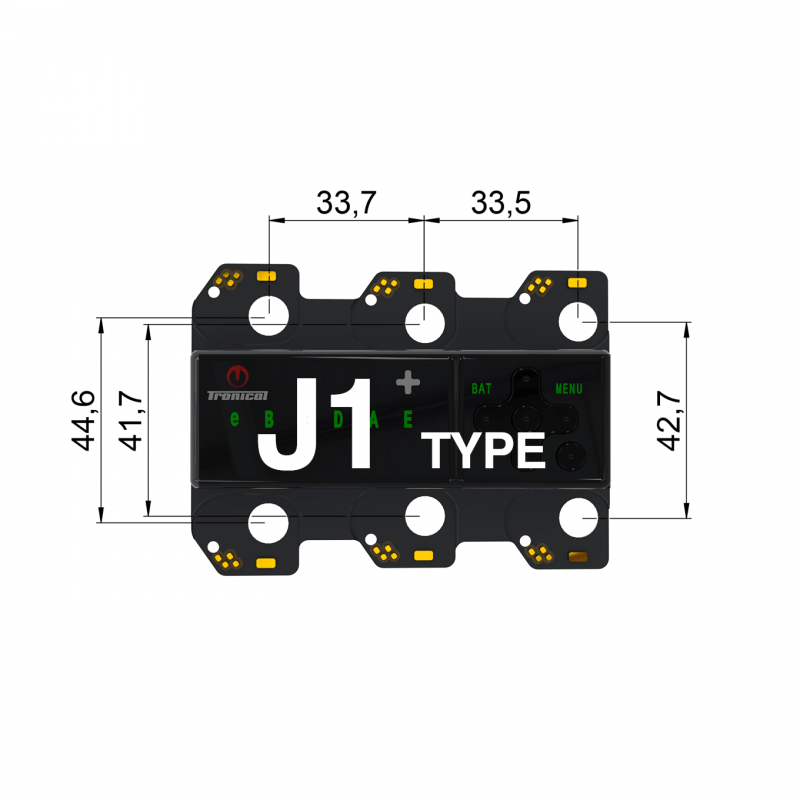
At its core, a guitar tuner is a device that helps you adjust the pitch of your guitar strings. It listens to the sound waves your guitar makes and tells you if they’re sharp, flat, or spot on. There are a few types of tuners, each with its own vibe and advantages.
Recommended gear: Lock Nut Set for TronicalTune
Types of Guitar Tuners
- Clip-On Tuners: These little guys clip right onto your guitar’s headstock. They pick up vibrations and are super portable. Great for quick adjustments before a gig.
- Pedal Tuners: If you’re playing live, a pedal tuner is a must-have. You can tune silently while still rocking out. They’re built tough for the stage and often have true bypass.
- App Tuners: With tuners available for smartphones, you’ve got a mini music studio in your pocket. Just fire up the app, and you’re good to go!
- Strobe Tuners: If you’re a perfectionist, strobe tuners are where it’s at. They offer the highest accuracy for serious pros and studio musicians.
Pros and Cons of Each Type
Clip-On Tuners
- Pros: Very portable, easy to use, and affordable.
- Cons: Limited visibility in bright light, can struggle with lower frequencies.
Pedal Tuners
- Pros: Easy to use live, fast tuning, and can handle multiple instruments.
- Cons: Can be pricey and take up pedalboard space.
App Tuners
- Pros: Free or low-cost options, multiple tuning modes, and downloadable updates.
- Cons: Reliant on battery life and might not be as accurate as hardware tuners.
Strobe Tuners
- Pros: Ultra-precise tuning, great for studio work.
- Cons: Typically more expensive and less portable.
The Importance of Tuning
So why bother with a guitar tuner? Simple: tuning not only affects the sound but also your playing experience. A well-tuned guitar feels better to play, and it inspires more creativity. Plus, when you sound good, you feel good. That’s the rock ‘n’ roll spirit!
How to Use a Guitar Tuner
Using a guitar tuner is as easy as strumming a chord. Here’s a quick guide:
- Set Your Tuner: Choose the tuning mode (standard EADGBE is common).
- Pluck a String: Start with the lowest string and strum it gently.
- Adjust: If the tuner shows it’s flat, tighten the tuning peg. If it’s sharp, loosen it.
- Repeat: Move on to the next string until all six are dialed in.
Real-World Use: The M Type Tronicaltune PLUS Guitar Tuner
One tuner that’s been getting a lot of buzz is the M Type Tronicaltune PLUS Guitar Tuner. It’s designed for players who demand precision and convenience. It’s got that slick look and a user-friendly interface that won’t hold you back when you need to get in tune fast. Plus, it’s perfect for any style of rock, be it blues-infused solos or hardcore riffs.
Recommended gear: Charger for Dusk Tiger
Pro Tips for Guitar Tuning
- Always Tune Up: If you’re flat, tune up to the pitch instead of down. This keeps tension on the string.
- Check Your Tuning Regularly: Before every jam or gig, give your strings a check. A quick tune can make all the difference.
- Get Familiar with Your Guitar: Each guitar has its quirks. Understand how your specific model behaves in terms of tuning stability.
Maintenance: Keep Your Guitar and Tuner in Top Shape
Just like your guitar, your tuner needs a little care too. Keep it clean and dust-free. And don’t forget to replace batteries when they start to fade. If you’re using something like the Charger for Dusk Tiger, make sure it’s always on hand to charge up your gear.
Recommended gear: M Type Tronicaltune PLUS Guitar Tuner
FAQs about Guitar Tuners
1. How often should I tune my guitar?
Tune your guitar before every session and whenever you notice it sounds off.
2. Can I use my phone as a guitar tuner?
Absolutely! There are great apps like GuitarTuna and Fender Tune that work well.
3. What’s the best tuner for beginners?
Clip-on tuners are usually the best bet—they’re easy to use and budget-friendly.
4. Why does my guitar go out of tune so quickly?
Temperature changes, humidity, and playing style can all affect tuning stability.
5. Are pedal tuners worth the investment?
If you play live often, yes; they’re reliable and make on-the-fly tuning a breeze.
Conclusion
In the end, having a trusty guitar tuner is as essential as your guitar itself. It gives you the freedom to express yourself while ensuring your sound is always on point. Whether you lean toward a clip-on, pedal, or app tuner, find what works best for you and keep jamming. If you want to explore more products or gear, check out Tronical Tune for top-notch tuning solutions. Rock on!
