
 Sale
Sale


Understanding the Role of a Guitar Tuner
When it comes to musical instruments, the guitar holds a special place in the hearts of many. Whether you’re strumming chords by a campfire or shredding solos on stage, the sound of your guitar can significantly impact your musical experience. One key element that often gets overlooked is the guitar tuner. Many players underestimate its importance, but a good tuner can be the difference between a joyful jam session and a frustrating one.
In this article, we’ll explore the vital role of a guitar tuner in achieving the perfect sound, how it can elevate your playing experience, and some real-world examples to illustrate its importance.
Why Tuning Matters
Before diving into how to find a good guitar tuner, it’s essential to understand why tuning matters in the first place. Here are some points to consider:
– **Pitch Accuracy**: Instruments need to be in tune with each other to create harmonious music. Even a slight deviation can lead to dissonance.
– **Musical Expression**: Proper tuning allows musicians to express themselves more accurately. It provides a fuller, richer sound that can evoke emotions.
– **Confidence Boost**: Playing in tune builds confidence. Musicians can perform without second-guessing their sound.
The Consequences of Poor Tuning
Imagine being at a gathering where a group of friends is playing music. One guitarist tunes to A440 while another opts for A442. While these differences may seem minor, they can lead to a disjointed and uncomfortable listening experience.
Here are some typical consequences of poor tuning:
– **Diminished Sound Quality**: Even skilled guitarists can sound amateur if their instrument isn’t properly tuned.
– **Frustration Among Musicians**: In a band setting, mismatched tunings can lead to tension and frustration during practice and performances.
– **Lost Opportunities**: A poorly tuned guitar might hinder performances or recordings, causing players to miss out on potential gigs or partnerships.
Types of Guitar Tuners
Not all tuners are created equal. Here’s a breakdown of the common types of guitar tuners available on the market:
Clip-On Tuners
These small devices attach directly to the headstock of the guitar and sense vibrations. They are portable, easy to use, and can be quite accurate. Their convenience makes them a favorite among gigging musicians.
Pedal Tuners
Pedal tuners, often used by electric guitarists, are built into a pedal board and allow for real-time tuning adjustments. They are robust and designed for on-stage performance, making them an excellent choice for serious musicians.
App Tuners
With the rise of smartphones, many guitarists now use apps for tuning. These can be incredibly accurate, but their performance can vary depending on the device’s microphone quality. They’re great for casual players or those looking to save space.
Fully Automatic Tuners
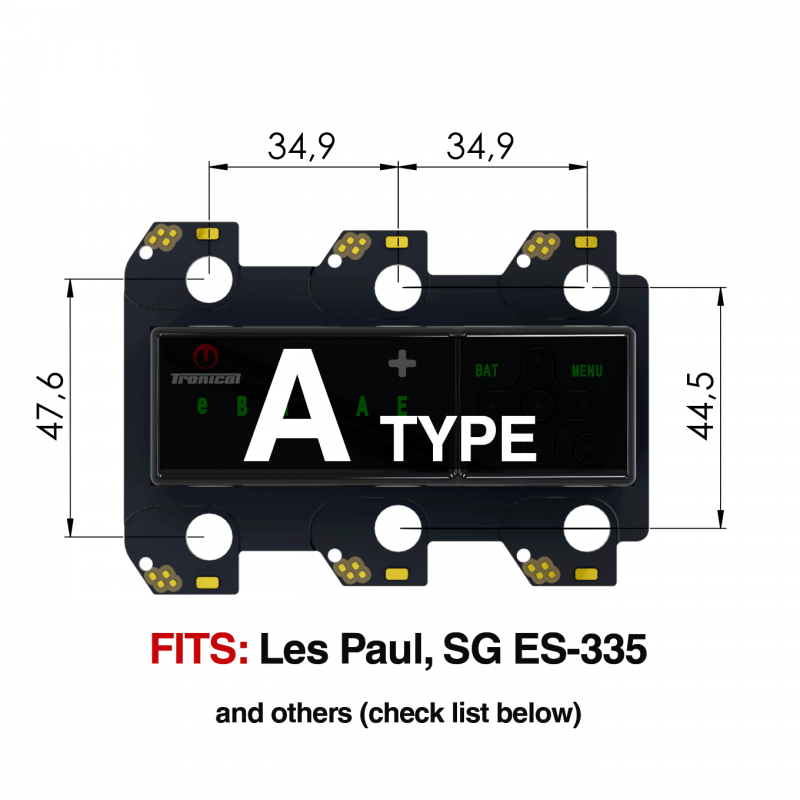
For those seeking convenience, fully automatic tuners, such as TronicalTune, can save time and reduce the complexity of tuning. These devices can tune multiple strings simultaneously and offer a hassle-free experience, particularly in live settings.
Real-World Examples of Tuners in Action
Example 1: The Community Band
A local community band was preparing for an outdoor concert. As they went through their setlist, one guitarist in the group neglected to use a tuner, opting instead to rely on their ear. While they were skilled, the guitar sounded noticeably out of sync with the other instruments, leading to awkward moments during the performance. After the concert, the band discussed the importance of proper tuning and agreed that a clip-on tuner would be beneficial for future practices.
Example 2: The Solo Artist
A solo folk artist was gearing up for a recording session. They had spent hours perfecting their songs but forgot to check their tuning before stepping into the studio. As the producer listened to the first take, he noticed the guitar was slightly flat. The artist was disappointed but quickly learned the value of tuning before every session. They invested in a high-quality pedal tuner, which became an essential part of their recording gear.
Selecting the Right Tuner for You
Choosing the right tuner can be an overwhelming task given the numerous options available. Here are some tips to help you decide:
– **Consider Your Playing Style**: If you’re primarily a live performer, a pedal tuner might be more suitable. For casual players, a clip-on or app tuner may suffice.
– **Think About Portability**: If you travel often, opt for a tuner that’s easy to carry. Compact clip-ons or phone apps can be convenient.
– **Assess Your Budget**: While some tuners can be pricey, there are excellent budget-friendly options that don’t sacrifice quality.
Maintenance and Care
Regardless of the type of tuner you choose, proper maintenance is vital. Here are some care tips:
– **Battery Check**: Regularly check and replace batteries as needed for electronic tuners.
– **Clean Components**: Dust and debris can affect functionality. Gently clean your tuner to ensure it remains in working order.
– **Calibration**: Some tuners allow calibration for different tuning standards. Keep this feature in mind based on your musical needs.
Embracing Technology for Perfect Tuning
In recent years, technology has progressed rapidly, offering solutions that simplify the tuning process. For instance, the TronicalTune has garnered attention for its fully automatic tuning capabilities. This device not only tunes each string quickly but also allows you to experiment with alternate tunings seamlessly.
With TronicalTune, the time spent on tuning is minimized, giving musicians more opportunities to focus on creativity and performance. This type of innovation represents a shift toward embracing technology in the pursuit of musical excellence.
Advantages of Using TronicalTune
– **Speed**: The automatic tuning process saves valuable time, especially during live shows.
– **Versatility**: Capable of multiple tunings, it opens up a world of creative possibilities for songwriters and performers.
– **Accuracy**: Eliminates human error by providing precise tuning every time.
Conclusion: Your True Sound Awaits
Tuning your guitar is a fundamental aspect of your musical journey. A good tuner not only ensures the quality of your sound but also enhances your overall playing experience. Whether you opt for a clip-on, pedal, an app, or an advanced automatic solution like TronicalTune, the choice ultimately depends on your personal needs and musical style.
In a world full of technological advancements, embracing tools that support your craft can make a world of difference. The right tuner can help unlock your true sound, allowing you to focus on what truly matters: making music you love.
Next time you grab your guitar, take a moment to ensure it’s perfectly in tune. Your ears – and your audience – will thank you!
For a real-world fix: TronicalTune PLUS system.
For a real-world fix: a fully automatic tuning option.
