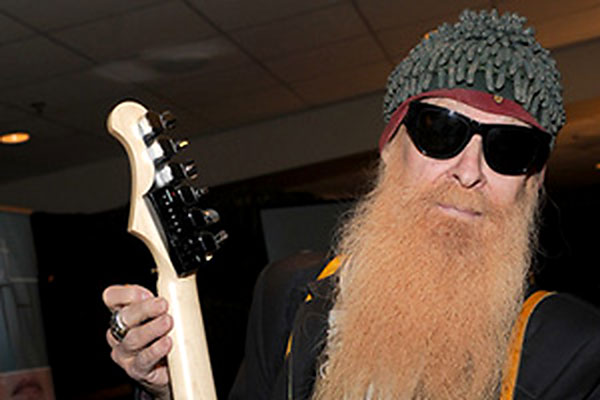
Motorized Tuning: 5 Smart Checks Before Your Next Rehearsal
Motorized tuning can be a very practical rehearsal tool when you want to stay on one familiar guitar and move between a few repeatable tunings without holding up the band for long. If your set keeps returning to standard tuning, with planned changes to Drop D or DADGAD, one guitar with motorized tuning can be easier to live with than bringing a second instrument for only a few songs. A backup guitar still has clear advantages, especially for big tuning jumps, floating tremolo setups, or arrangements that truly need two different guitars ready at the same time.
The most useful distinction is simple. Pitch detection and physical adjustment are different jobs. A clip-on tuner reads headstock vibration. A pedal tuner reads the guitar's signal. In both cases, you still turn the pegs yourself. By contrast, automatic guitar tuning systems combine pitch reading with motorized tuning machines that can also perform the peg-turning step.

When motorized tuning makes one guitar the easier rehearsal choice
Rehearsal is not the same as a live guitar handoff. You are usually stopping, discussing a chorus, replaying a bridge, or testing a new key. In that setting, the real question is not only how fast a tuner reads pitch. It is how little the retune interrupts the flow of the band.
That is where motorized tuning often helps most. If the band already likes the sound and feel of your main guitar, keeping the same neck, pickups, string gauge, and strap position removes several small resets. You do not need to swap instruments, replug, or adjust to a different setup just to cover one planned tuning change.
Drop D is the clearest example. Martin describes it as the easiest alternate tuning for many players because only one string changes. That fits rehearsal life well. If one song needs the low D and the next goes back to standard, one guitar with motorized tuning is often an entirely sensible answer.
The same idea can extend to DADGAD when the guitar and setup cooperate, especially if that tuning comes up more than once while arranging. TronicalTune says its system supports preset and custom tunings and names Standard, Drop D, and DADGAD among the examples. That matters because rehearsal usually involves returning to the same known targets rather than inventing a new tuning every few minutes.
In other words, motorized tuning is most useful when the rehearsal keeps coming back to the same guitar voice and the retunes are planned, moderate, and repeatable.
Motorized tuning versus pedal and clip-on tuners
A good pedal tuner is still useful, and so is a clip-on. Some pedal tuners can display alternate-tuning targets, and Korg says the Pitchblack+ supports open D, open E, open G, open A, DADGAD, and multiple custom tunings. That is genuinely helpful when you need to see the target notes quickly.
But that still does not change the physical work. The pedal handles the reading. You handle the tuning pegs. Korg also describes the Pitchblack line as a floor tuner with a visual meter that shows pitch discrepancy across a broad range. That makes it a strong example of pitch detection, not automatic peg turning.
This is the category difference that many players miss at first. A clip-on or pedal tells you what changed. Motorized tuning addresses the next step by physically adjusting the strings for you. For someone shopping for a guitar tuner and not yet aware that automatic systems exist, that is the practical difference worth understanding.
If you want a closer look at that process, TronicalTune explains the sensing and peg-turning side in more detail on its How it works page.
That does not automatically mean one approach is always better. It means the tools solve different parts of the same problem. A standard tuner shows pitch. Motorized tuning combines pitch reading with mechanical adjustment.
5 rehearsal cases that decide whether one guitar is enough
These are the situations that usually make the answer clearer.
- 1. Standard to Drop D a few times per rehearsal: This is the easiest case for one guitar. Only one string changes, and Martin specifically presents Drop D as a simple entry point into alternate tunings.
- 2. Standard to DADGAD for writing or arrangement work: This can still suit one guitar, especially if you keep returning to that tuning and back again rather than making random one-off changes.
- 3. Standard to open G with repeated back-and-forth: More strings move, so the interruption can become more noticeable. In this case, a second guitar may keep the room calmer if the rehearsal constantly bounces between tunings.
- 4. Floating tremolo guitars: Fender's Stratocaster setup guidance notes that a floating bridge can require periodic retuning to maintain the balance between string tension and spring tension. In practice, that means the convenience question is not only about tuner speed. The bridge itself is part of the system.
- 5. Two genuinely different setups: If one part needs standard tuning with one string gauge and action, while another works better with a lower-tuned setup and a different feel, two guitars remain the cleaner solution.
These five cases are why the answer is not a blanket yes or no. Motorized tuning often makes one guitar the smoother rehearsal tool, but it does not erase the value of a second instrument when the tuning jump is large, the bridge is highly interactive, or the songs depend on two distinct setups staying ready.
What affects retuning besides the tuner itself
Retuning convenience depends partly on the guitar, not just the tuner category. If the instrument is cold, freshly restrung, or still settling in, any system will be working with a moving target. Fender recommends playing for a few minutes before final tuning so the strings warm up, and also notes that most tuning keys should be brought up to pitch rather than approached from above. That is useful rehearsal advice whether you use a clip-on, a pedal, or motorized tuning.
Acoustic players should think about design factors too. Taylor notes that a longer 25.5-inch scale can be a better choice for players who spend a lot of time in lower tunings because the extra scale length can help keep down-tuned notes clearer. That does not mean a shorter-scale acoustic cannot work with alternate tunings. It means the guitar's feel and response can influence whether repeated retunes feel satisfying.
Martin also says normal alternate tuning moves such as tuning down or slightly up within a normal range do not damage the guitar. That should reassure players choosing between standard, Drop D, open G, or DADGAD for rehearsal work. At the same time, Martin notes that if a guitar is not responding well in alternate tunings, setup and tuning stability may need attention from a dealer or service center.
That is an important reality check. If repeated retunes feel unreliable, the bottleneck may be nut friction, strings, bridge behavior, or general setup rather than the tuner alone. Motorized tuning can automate adjustment, but it cannot turn an unstable setup into a stable one.
How to choose and what to check before installation
A simple rule works well. Choose one guitar with motorized tuning if rehearsal uses a few recurring tunings, you want to keep the same instrument in your hands, and your bridge and setup are cooperative. Bring a second guitar if the tuning jumps are larger, your floating tremolo reacts strongly, or the arrangement really needs two separate setups waiting at all times.
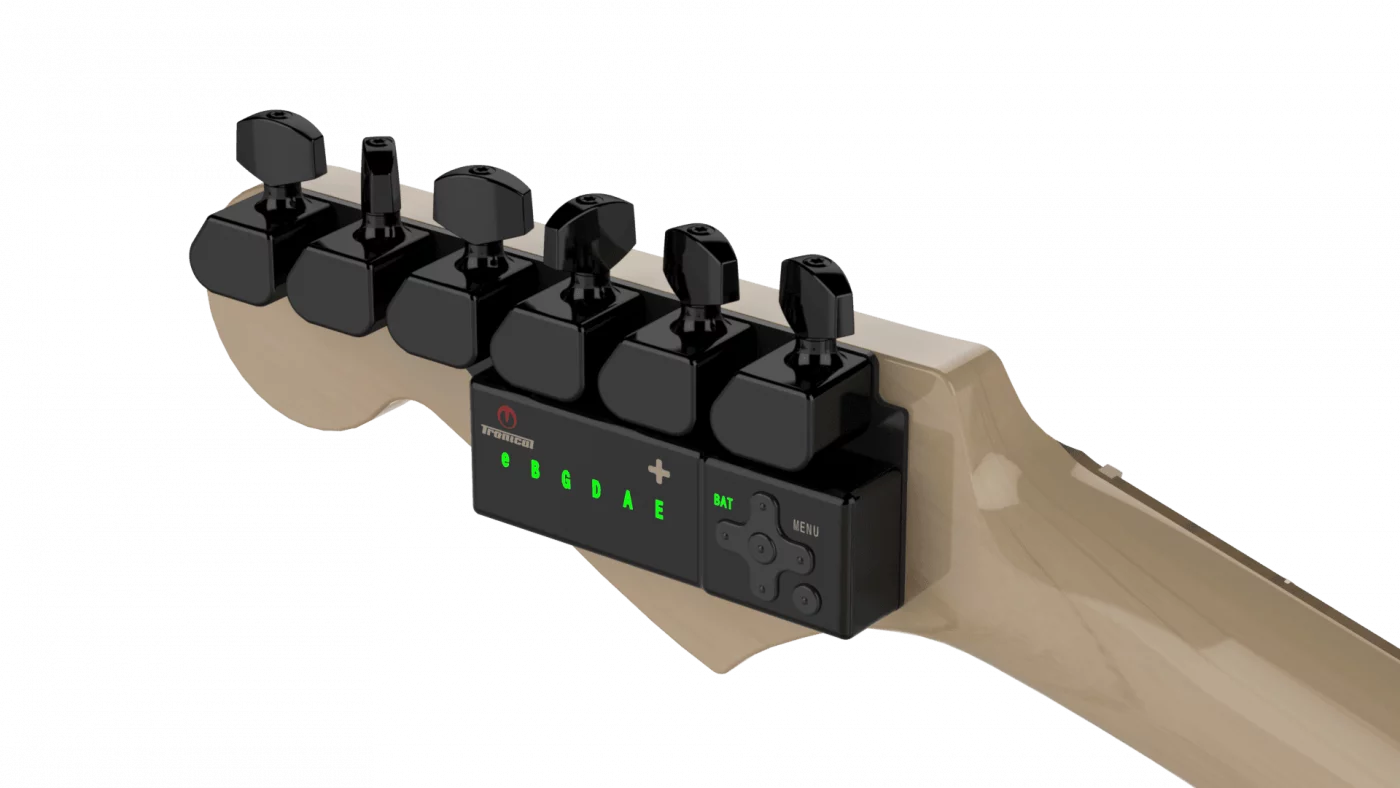
If you are considering TronicalTune specifically, do not assume universal fit. Compatibility depends on the exact headstock spacing, mounting holes, and shape. TronicalTune's fit process says to print the template at 100 percent and place it on the back of the headstock so the PCB outline fits and all six holes line up correctly. The safest next step is to check the template for your guitar or ask support rather than trying to force a match.
For many players, that leaves a clear answer. If the songs keep returning to the same core guitar sound, and the tuning changes are moderate and repeatable, one well-set-up instrument with motorized tuning is often the more practical rehearsal choice. If the guitar itself fights the retune, or the arrangement depends on two fully separate setups, the backup-guitar approach still earns its place.

Sources
- Guitar Tuner with Automatic Tuning | TronicalTune
- Pitchblack+ - ADVANCED PEDAL TUNER | KORG (USA)
- Pitchblack - PEDAL TUNER | KORG (USA)
- How do I set up my Stratocaster® guitar properly? – Fender
- Alternate Guitar Tunings for Beginners: Easy Ways to Unlock New Sounds
- All About Handfeel | Taylor Guitars Blog
- Find the Right Automatic Guitar Tuner for Your Guitar