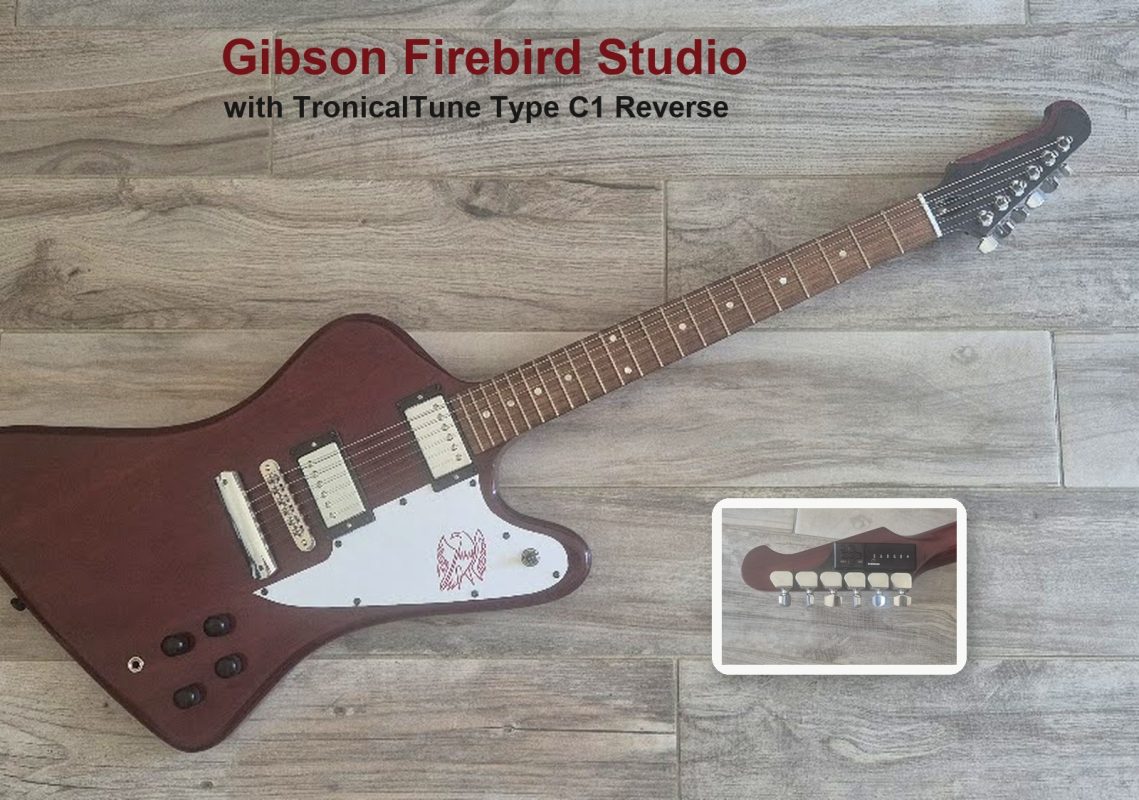
Automatic Retuning: Can It Recover Fast After a Broken String?
Automatic retuning can be helpful in a rehearsal emergency, but it is not a shortcut around the basics. If a string breaks, the system still needs a working string on the guitar, a compatible installation, and a proper setup before it can bring the instrument back to pitch.
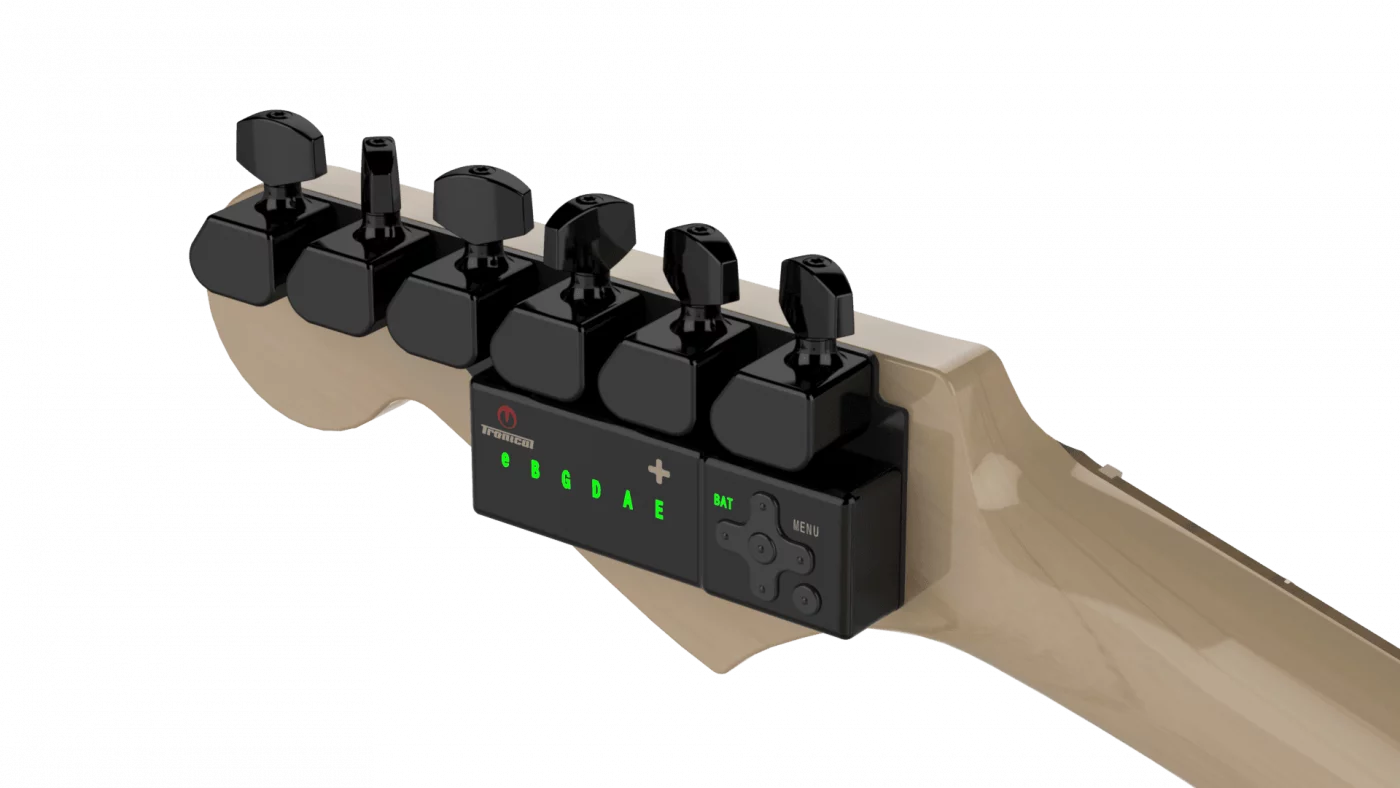
TronicalTune describes its system as doing two separate jobs in sequence: it first detects pitch, then its motorized tuning pegs adjust the strings automatically. If you want a broader overview of that process, the automatic guitar tuning system is built around that two-step idea. The system listens, then turns the machine heads until the string reaches target pitch.
What happens after a string breaks
When a string snaps in rehearsal, the first priority is still to replace it. A motorized tuner cannot tune an empty slot, and it cannot remove the need to restring. What it can do is shorten the time between restringing and getting back to a usable tuning.
TronicalTune says you choose a tuning, strum, and the fitted tuning machines adjust all six strings. In practice, that means the recovery flow is simple: install the new string, bring it onto the post correctly, and let the system detect the pitch and make the final adjustment. For a player trying to stay in the set list, that is the real advantage of automatic retuning.
That said, speed depends on the condition of the guitar and the string itself. A badly wound string, a slipping nut slot, or a problem at the bridge can slow down any tuning process, even if the tuner is motorized.
Why fit matters before you rely on it
The biggest check is compatibility. TronicalTune does not present this as a universal install, and that is important. The company says a compatible system replaces the existing machine heads, and that a no-drill installation depends on confirming the exact guitar first.
For six-in-line guitars, the important checks are the tuner holes, the rear outline, and the left-to-right orientation of the headstock. That is why the front silhouette alone is not enough. A guitar can look similar at a glance and still need a different template or a different version of the system.
If you are considering automatic retuning for a working instrument, verify the template before you count on it for stage use. TronicalTune’s installation pages and support materials are the right place to check the exact model, and if there is any doubt, ask support rather than trying to force a fit.
Check your guitar against the template here.
How fast is fast enough for rehearsal
The sources support the idea that the retuning step is designed to be quick. TronicalTune says the system can switch tunings in seconds, and its manuals indicate that it stores the last completed tuning and checks the actual pitch again on retune. That combination is useful after a disruption, because the guitar can return to the same tuning without starting from scratch.
For rehearsal, that matters more than raw tuning accuracy alone. A standard chromatic tuner can tell you where each string sits, but it does not move the tuning pegs for you. That difference is the whole point of motorized tuning hardware. A display-based tuner detects pitch, while a system like TronicalTune both detects and adjusts.
So can it get you back in tune quickly enough to keep playing? Often, yes, if the guitar is compatible and the string has been replaced correctly. The system is designed for fast recovery, not for magic. It is a practical tool for getting from a broken string back to a playable instrument without a long interruption.
What to check before you depend on it
Before rehearsal or a gig, it helps to run through a few specific checks:
- Confirm the exact guitar model against the installation template.
- Check that the tuner holes and rear headstock shape match the system.
- Make sure the string path, nut, and bridge are in good working order.
- Verify that the system has stored the tuning you want to return to.
- Keep a spare string set and basic string-changing tools nearby.
Those steps keep the focus on what automatic tuning can actually do. It can save time once the guitar is ready, but it cannot replace a broken string for you, and it cannot fix an installation that was never verified in the first place. If you want the system to earn your trust onstage, check the fit first and treat the retuning as a fast final step rather than a full repair.

When automatic retuning is the right fit
Automatic retuning makes the most sense for players who need quick tuning changes, reliable recovery after interruptions, and less time spent between songs. It is especially useful on guitars that match the system’s template and installation requirements, because the hardware can then do the job it was designed to do.
For players who are still comparing options, the key question is not whether the system sounds impressive. It is whether your guitar matches the mounting pattern and whether you want a tuner that moves the pegs for you, instead of only showing the pitch. If those answers are yes, the retuning workflow can be a real time saver after a string break.
If you want to see how the system works from pitch detection to motorized adjustment, start with the how it works page and then confirm your guitar against the installation check before you rely on it in rehearsal.
From there, the decision becomes straightforward: verify the fit, restring the guitar properly, and let the system handle the final tuning step when you need to get back into the song quickly.