Automatic retune for a fast live switch
Automatic retune can be fast enough for a between-song change in a live set, but the real answer depends on the guitar, the fitting, and the tuning change you need. If you are used to manual tuning, the main difference is not only speed. It is the way the whole change happens in one step instead of moving string by string at the peg.
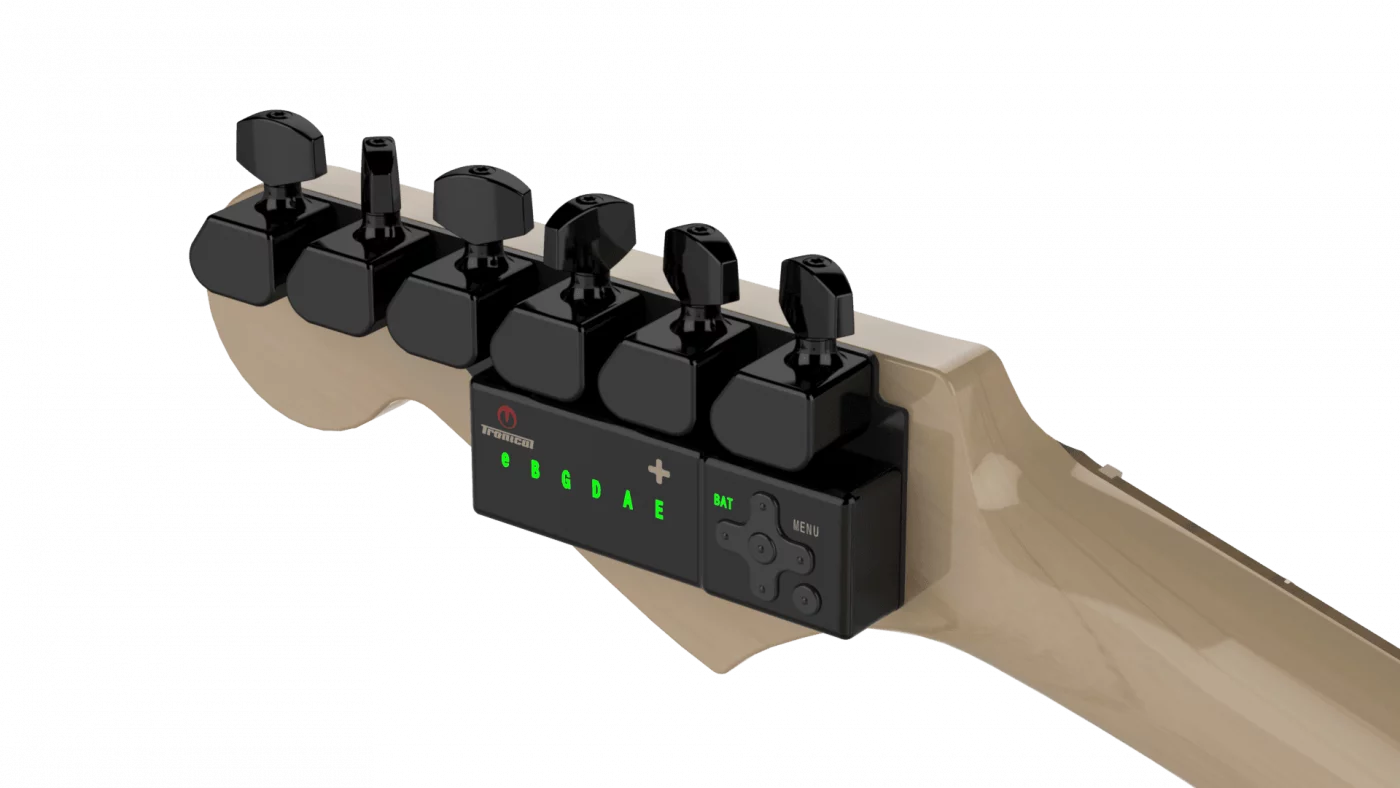
That is why readers looking for a guitar tuner sometimes end up asking about automatic systems instead. On the TronicalTune homepage, the process is described as an on-guitar system that retunes all six strings without taking a handheld tuner from peg to peg, which makes it a different workflow from a standard clip-on or pedal tuner.
What automatic retune means onstage
When players ask whether automatic retune is quick enough for live use, they usually mean one practical thing: can the guitar go from standard tuning to an alternate tuning before the next song starts, without turning the gap into dead air? In many live situations, the answer is yes, provided the system is already installed and the target tuning is already available in the setup.
The manufacturer says the tuning change itself can take only a few seconds. That is useful, but it should be read carefully. A fast tuning cycle is not the same as a universal promise that every guitar will behave the same way. Speed depends on compatibility, the correct fitting, and whether the system has been set up for the guitar you are actually using.
For a live player, that distinction matters. A few seconds is one part of the transition. The other part is whether you can trust the result quickly enough to start the next song without extra checking.
Why the guitar and setup matter
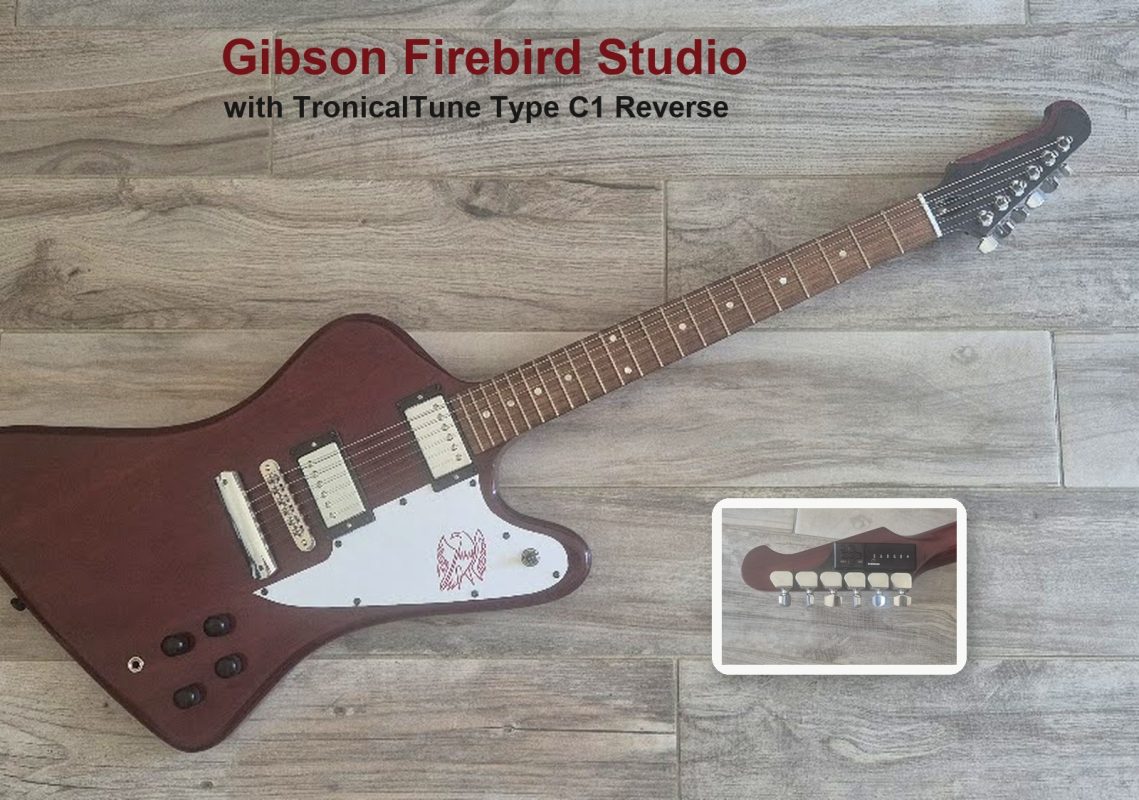
TronicalTune’s own guidance makes the compatibility point clearly: fit depends on the exact guitar and the correct template. That means the key question is not just “Does it work?” but “Does it work on this exact instrument?” If the model is not listed, the right move is to check the template or ask support, not to force the hardware to fit.
The system also needs the correct stored tuning. A button press can only do so much if the target tuning is not configured in advance. That is why the live workflow should be planned before the gig, not improvised between songs, if you want automatic retune to feel dependable onstage.
For readers who want a broader look at how the system works, the how it works page explains the tuning process and the difference between detecting pitch and making the adjustment. That separation is important. A tuner can sense pitch, but the motorized system is what actually brings each string to the target note.
What to check before the gig
- Confirm that your exact guitar model is compatible.
- Make sure the fitting matches the correct headstock template.
- Store the alternate tuning you plan to use.
- Test the change at rehearsal volume, not only at home.
- Leave time for the whole workflow, including any pickup or pedal changes.
These checks are simple, but they prevent most stage surprises. They also keep the question focused on the real issue, which is not whether automatic tuning exists, but whether it fits the way you play live.
Alternate tunings are normal, not special cases
Live players often think of alternate tunings as something that needs a separate guitar. In practice, they are part of normal guitar work. Fender’s tuner and setup pages treat open tunings, half-step tuning, and drop tunings as standard options, not as unusual requests. That lines up with what many gigging players already know: songs often call for a tuning change, and the challenge is doing it quickly enough to keep the set moving.
That is especially relevant if you switch between acoustic and electric instruments. Acoustic players may use alternate tunings often, while electric players may also have to manage amp settings, pedals, and pickup selection. In other words, the tuning change is only one piece of the stage puzzle. A fast tuner helps, but it does not replace the rest of the live setup.
On an acoustic guitar, the tuning move may be the biggest change between songs. On an electric, it may be only one part of a larger patch or tone change. Either way, the value of automatic retune is that it removes the slowest manual step.
How to think about the live workflow
The easiest way to judge whether automatic tuning will help your set is to think in terms of workflow rather than marketing claims. Ask three questions: is the guitar compatible, is the tuning stored, and does the change happen cleanly enough for the next song? If the answer to all three is yes, the system can make a meaningful difference onstage.
TronicalTune’s support material also tells users to let the retune finish completely and keep hands away from the pegs while it is active. That is a small detail, but it speaks to the live benefit of the system. The fewer manual actions you need to take during the break, the smoother the transition feels.
If you are comparing options, the useful frame is not “Is this the fastest tuner ever?” It is “Does this get me from one song’s tuning to the next one with less hassle?” For many players, that is the real measure of whether a tuner is stage-ready.
For installation details, the installation page is the right place to review fit and mounting before you rely on the system live.