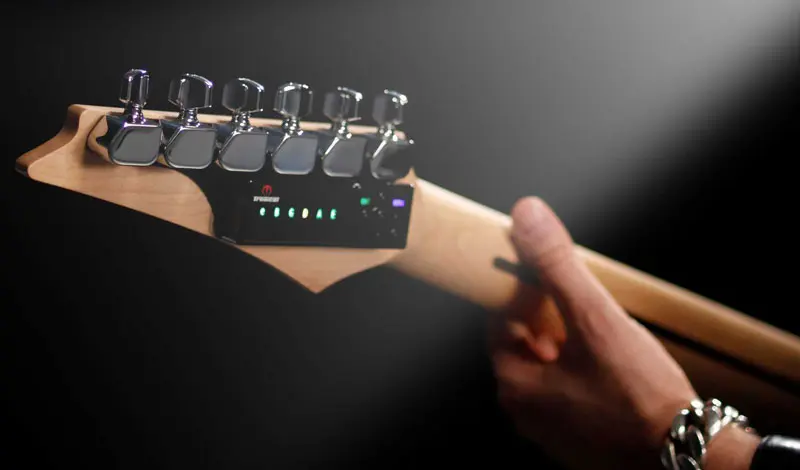
Gibson Guitar Tuner
The Essential Guide to Tuner Guitar: Stay in Tune Like a Pro

Feb
The Essential Guide to Tuner Guitar
If you’re a guitarist, you know the heartache of playing a few bars, then realizing your guitar sounds like a cat in a blender. That’s where a tuner guitar saves the day! Whether you’re jamming with the band or strumming alone, keeping your instrument in tune is crucial.
What is a Tuner Guitar?

A tuner guitar refers to the combination of your guitar and a tuning device that helps you get those strings singing in perfect harmony. You can use clip-on tuners, pedal tuners, or even smartphone apps. Each has its charm and usability, but the goal is the same—to get your strings perfectly tuned, so you rock out without a hitch.
Recommended gear: Gibson Firebird X small Potentiometer
Types of Tuner Guitars
- Clip-on Tuners: These little gadgets clip right onto the headstock of your guitar. They’re super portable and usually pretty accurate.
- Pedal Tuners: If you’re a pedalboard enthusiast, a pedal tuner is a must-have. They can handle some serious abuse and still deliver accurate results.
- Smartphone Apps: Got a smartphone? There’s an app for that! Many free and paid guitar tuner apps can help you dial in your sound.
Pros and Cons of Different Tuner Guitars
Clip-on Tuners
- Pros: Small, lightweight, easy to use.
- Cons: Can be affected by vibrations in a noisy environment.
Pedal Tuners
- Pros: Great for live performances, rugged durability, often come with additional features like bypass.
- Cons: Takes up space on your pedalboard, can be more expensive.
Smartphone Apps
- Pros: Accessible, versatile, often include additional features like metronomes.
- Cons: Might not be as accurate, battery drain can be an issue.
How to Use a Tuner Guitar
Let’s break it down:
Recommended gear: 2 x Rechargeable LiPo Battery for Tronicaltune
- Choose your tuning: Standard E tuning, Drop D, Open G, you name it.
- Turn on your tuner: For clip-ons, clip it on; for apps, launch the app.
- Pluck a string: Start with the low E string and check your tuner.
- Adjust accordingly: If the tuner says it’s flat, tighten the tuning peg; if it’s sharp, loosen it up.
- Repeat for every string: By the time you’re done, you’ll be rocking and rolling!
Real-World Use of Tuner Guitars
Picture this: You’ve got a gig coming up, and you want to make sure your guitar is dialed in perfectly. That’s where a device like the Rechargeable LiPo Battery for Tronicaltune comes in handy. It’s a game changer! You can keep your tuner running all night without a hiccup. No more worrying about running out of batteries in the middle of a solo!
Recommended gear: Bundle USB World Travel Charger + Robot Gen I Battery Pack
Frequently Asked Questions
1. Do I need a tuner if I have perfect pitch?
Even if you’ve got perfect pitch, a tuner can help fine-tune your guitar for specific keys or unusual tunings.
2. How often should I tune my guitar?
Ideally, check your tuning before each session or gig. Environmental changes can affect string tension.
3. Can I use a guitar tuner for other instruments?
Absolutely! Most tuners work for ukuleles, violins, and even basses. Just select the right tuning.
4. What’s the best way to tune by ear?
Start from a reference note, then use harmonics or fretted notes to match pitches. It takes practice!
5. How do I know if my tuner is accurate?
Test it against a known standard or have a buddy check your tuning. Consistency is key!
Final Thoughts
A reliable tuner guitar setup can keep you flying high and hitting the right notes. Whether you’re a bedroom rocker or a stage veteran, don’t let a little out-of-tune action ruin your vibe. With the right tools and techniques, you’ll always be ready to shred. For those who want the convenience of a good battery pack for their tuners, check out the Bundle USB World Travel Charger + Robot Gen I Battery Pack. Keep jamming, and stay tuned!