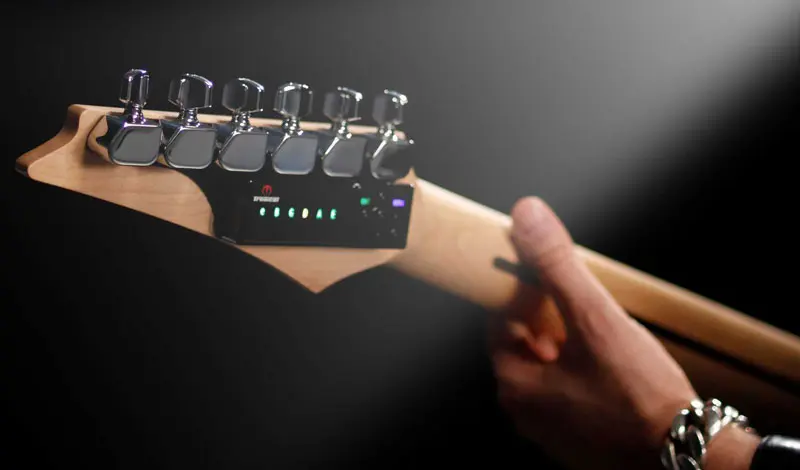
auto tuner guitar
Mastering the Art of the Electric Guitar Tuner
Feb
Mastering the Art of the Electric Guitar Tuner
Every rockstar knows that no matter how killer your riffs are, if your guitar isn’t in tune, it’s all for nothing. That’s why an electric guitar tuner is your best bud on this journey through the strings. Whether you’re jamming in your garage or shredding on stage, nailing that perfect pitch is key to hitting the right notes and impressing your crowd. Let’s dive deep into the world of tuners, what to look for, and how to use them like a pro.
Why You Need an Electric Guitar Tuner

Picture this: you’re about to kick off the set of your life, and as you strum that first chord, it sounds like a cat getting its tail stepped on. Yikes! Don’t let that happen. Having an electric guitar tuner on hand makes sure you’re always pitch-perfect. Here’s why it’s essential:
- Accuracy: Tuners provide precise readings, keeping your guitar in line with the standard pitch.
- Speed: Quick tuning means more playing and less fussing with strings.
- Versatility: Many tuners can accommodate alternate tunings, so you can experiment without breaking a sweat.
- Portability: Most tuners are pocket-sized, making them easy to take along on tour or to jam sessions.
Types of Electric Guitar Tuners
There are a slew of different tuners on the market, each with its own flavor. Here’s a rundown of the main types:
- Clip-on Tuners: Small and handy, these clip right onto your guitar headstock. They’re discreet and can sense vibrations, making them perfect for live settings.
- Pedal Tuners: If you’re a pedalboard aficionado, these will fit right in. They’re usually more robust and offer features like true bypass.
- App Tuners: With smartphones in our pockets, why not use a tuner app? They’re convenient and often have visual displays to help you tune by ear.
- Strobe Tuners: These are for the serious pros. They provide ultra-precise tuning and are great for studio work.
How to Use an Electric Guitar Tuner
Now that you’ve got yourself a shiny new tuner, here’s how to make it sing:
- Power it Up: Make sure it’s charged or have a fresh battery ready to roll. If you’ve got a Gibson Dark Fire, make sure you have the GEN II Battery Workaround Kit to keep that baby powered.
- Standard Tuning: Most electric guitars are tuned to E-A-D-G-B-e. Start with your low E string and pluck it.
- Read the Display: Watch the tuner’s display. Is the needle centered? If not, adjust your tuning pegs until you hit that sweet spot.
- Check Each String: Repeat for all six strings. Don’t rush; make sure every string sings.
Pros and Cons of Using an Electric Guitar Tuner
Nothing’s perfect, not even tuners. Let’s weigh the good and the bad.
Recommended gear: GEN II Battery Workaround Kit for Gibson Dark Fire Back plate, Battery, World Travel Charger
Recommended gear: Gibson Dark Fire / Dusk Tiger / Firebird X Toggle Switch Cap
Pros:
- Accurate and reliable tuning.
- Easy to use, even for novices.
- Portable, so you can tune anywhere.
Cons:
- Some high-end models can be pricey.
- They require power (batteries or charging).
- May need calibration over time.
Best Electric Guitar Tuners You Should Consider
Picking the right tuner can be a game-changer. Here are some top picks that’ll keep you rocking:
- Boss TU-3: A classic that many pros swear by. Its sturdy build and bright display make it a go-to for live gigs.
- Tune Tech TT-1: Affordable and reliable, this clip-on is perfect for newbies.
- Peterson StroboPlus HD: If you want precision, this is the beast. Perfect for studio work and live situations.
Real-World Use Cases
So, you’ve got your tuner, now what? Here are some real-world scenarios where your electric guitar tuner steps in:
- Before a Gig: Always tune up before hitting the stage. A few minutes with the tuner can save a disaster.
- Experimenting: Try alternate tunings for new sounds. Just change the tuning on your tuner and play around!
- During Rehearsals: Keep your bandmates in sync. Use it before starting a practice session to avoid out-of-tune jamming.
Tuning Tips for Guitarists
Now that you’re tuned up, here are some pro tips to keep in mind:
Recommended gear: Gibson Firebird X small Potentiometer
- Stay Consistent: Always tune the same way. If you tune by ear sometimes and use a tuner at other times, you’ll throw yourself off.
- Change Your Strings Regularly: Fresh strings hold pitch better than old ones. Make it a habit!
- Know Your Guitar: Different guitars might respond differently to tuning. Get to know how your axe behaves.
FAQ
1. How accurate are electric guitar tuners?
Most electric guitar tuners provide accuracy of +/- 1 cent, which is perfect for live and studio work.
2. Can I use a tuner for alternate tunings?
Absolutely! Just adjust the settings on your tuner to match the desired tuning you’re aiming for.
3. Do I need a special tuner for my Gibson Dark Fire?
No special tuner is required, but ensure your tuner can handle the standard tuning frequencies.
4. How often should I tune my guitar?
Tune your guitar every time before you play. If you’re playing a lot, consider checking it periodically during your session.
5. What if my tuner isn’t working?
First, check the power. If it’s a clip-on, make sure it’s securely attached. If all else fails, consult the user manual.
Conclusion
So there you have it, rock’n’rollers! An electric guitar tuner is more than just a gadget; it’s an essential tool that tunes your guitar and elevates your playing. From the beginner strumming in the garage to the seasoned pro rocking on stage, using a tuner can make all the difference. Grab one, tune up, and let those sweet sounds roll!
{
“@context”: “http://schema.org”,
“@type”: “Article”,
“headline”: “Mastering the Art of the Electric Guitar Tuner”,
“author”: “Rock Guitarist”,
“datePublished”: “2023-10-01”,
“image”: “https://example.com/image.jpg”,
“articleBody”: “Every rockstar knows that no matter how killer your riffs are…”
}