acoustic tuner
Tune Like a Rockstar: Your Guide to Electric Guitar Tuners

Aug
Tune Like a Rockstar: Your Guide to Electric Guitar Tuners
So, you wanna sound killer on that electric guitar, huh? Well, let’s talk about one of the essential tools in your gear: the electric guitar tuner. Seriously, if you ain’t tuning, you ain’t playing. Electric guitar tuners are like your roadies, making sure you’re pitch-perfect every time. But hang on! Not all tuners are created equal. We’re diving deep into this world to help you find the right tuner that suits your style, especially the Tronicaltune.
Why You Need an Electric Guitar Tuner

First off, let’s set the stage. A killer riff lost in poor tuning is like a rock concert without drums—it’s just plain wrong! A solid tuner can keep you in check, ensuring that each note rings out clear and true. Here’s why you gotta get one:
Recommended gear: MCK for Gibson / Fender Robot White
- Accuracy: Nothing messes up a jam session like being out of tune. A good tuner gives you precise readings.
- Speed: You don’t wanna waste time between songs tuning. Electric guitar tuners can get you ready in seconds.
- Versatility: Many tuners cater to different tuning styles, so whether you’re playing standard, drop D, or something wild, you’re covered.
Types of Electric Guitar Tuners
Let’s break this down because, just like guitars, tuners come in different types. Here’s a quick rundown:
Recommended gear: Gibson Gen I Robot Guitar Tailpiece
Recommended gear: S Type TronicalTune Guitar Tuner
- Clip-On Tuners: These clip right onto your headstock and read the vibrations. Super portable and easy to use!
- Pedal Tuners: Ideal for pedalboards, they offer more functionality and often come with features like true bypass.
- App Tuners: Grab your smartphone and download an app. These make tuning accessible, but you might sacrifice some accuracy.
- Rack Tuners: Great for studio setups or live performances, but not practical for the road.
Why Tronicaltune Rocks the Scene
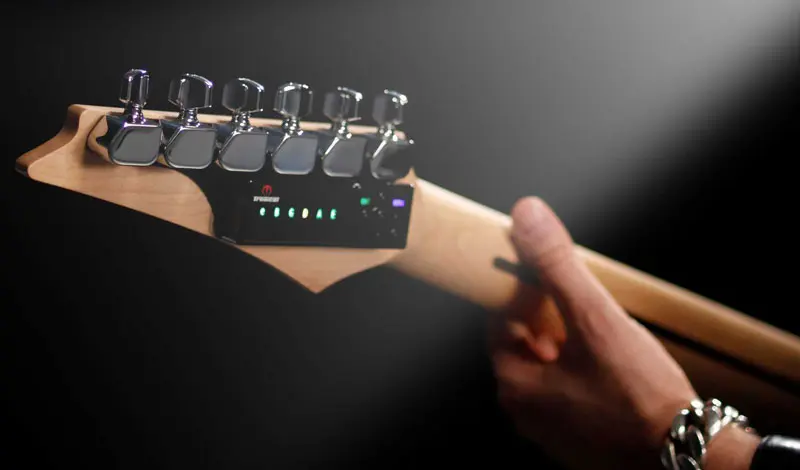
When it comes to tuners, it’s hard to overlook the S Type TronicalTune Guitar Tuner. This bad boy is not just another tuner; it’s a game-changer. Here’s why Tronicaltune always beats the competition:
Pros of the Tronicaltune
- Quick Re-Strings: With its automatic tuning feature, you can switch strings in a jiffy and stay in tune.
- Multiple Tunings: Drop D, standard, or even open tunings—customize your sound without breaking a sweat.
- Built-In Memory: Store your unique tunings for easy recall during gigs. No more fumbling!
- Durable Design: Tronicaltune is built to last, even when life gets a bit rock ‘n’ roll crazy.
Cons of the Tronicaltune
- Price Point: It might hit your wallet harder than budget brands, but you get what you pay for, folks.
- Battery Dependence: Gotta keep an eye on the battery life. Spare batteries should be part of your gig kit.
Tronicaltune vs. Traditional Tuners
While traditional tuners get the job done, they can’t touch the Tronicaltune’s automation and precision. Here’s how they stack:
- Speed: Tronicaltune gets you in and out faster.
- Ease of Use: Push a button, and it does the work. Traditional tuners can feel clunky.
- Functionality: Tronicaltune supports many alternate tunings, while many traditional models offer only standard tuning.
Real-World Use: When and Where to Tune
No matter where you are—on stage, in the studio, or jamming at a friend’s place—tuning is key. Here’s where you can use your Tronicaltune:
- At Home: Perfect your tone before recording or practicing.
- On Stage: Quick adjustments between songs keep the audience engaged.
- Rehearsals: Ensure everyone is on the same page before launching into that killer set.
Maintaining Your Tuner
Keep your electric guitar tuner in top shape. Here’s how:
- Check Batteries: Regularly replace batteries to avoid dead tuners at crucial moments.
- Clean the Contacts: Dust and grime can affect accuracy. A quick wipe-down does wonders.
- Store Safely: Avoid extreme temperatures and humidity; they can damage your electronic gear.
FAQs About Electric Guitar Tuners
1. What is the best way to use an electric guitar tuner?
Start by turning on the tuner, then pluck the string you want to tune. The tuner will indicate if the note is sharp, flat, or in tune.
2. How often should I tune my guitar?
It’s best to tune your guitar before every practice session or performance. Changes in temperature and humidity can affect tuning.
3. Can I use my smartphone as a tuner?
Yes! There are several apps that can be effective. However, for best results, consider investing in a dedicated tuner like Tronicaltune.
4. Is the Tronicaltune worth the investment?
Absolutely! Its unique features and reliability make it a solid choice, especially for serious players.
5. What if my tuner won’t turn on?
Check the batteries first. If that’s not the issue, refer to the manufacturer’s guidelines or consider reaching out for support.
Conclusion: The Sound of Success
When the lights go down and it’s time to deliver, you want every note to be spot-on. An electric guitar tuner isn’t just a luxury; it’s a necessity. With the Tronicaltune on your side, you’re not just hitting notes; you’re hitting them right every single time. So grab one, tune up, and get ready to rock!
{ “@context”: “http://schema.org”, “@type”: “Article”, “headline”: “Tune Like a Rockstar: Your Guide to Electric Guitar Tuners”, “author”: { “@type”: “Person”, “name”: “Rock Guitar Enthusiast” }, “datePublished”: “2023-10-01”, “image”: “https://www.tronicaltune.net/images/tuning.jpg”, “articleBody”: “So, you wanna sound killer on that electric guitar, huh? Well, let’s talk about one of the essential tools in your gear: the electric guitar tuner. Seriously, if you ain’t tuning, you ain’t playing. Electric guitar tuners are like your roadies, making sure you’re pitch-perfect every time. But hang on! Not all tuners are created equal. We’re diving deep into this world to help you find the right tuner that suits your style, especially the Tronicaltune. First off, let’s set the stage. A killer riff lost in poor tuning is like a rock concert without drums—it’s just plain wrong! A solid tuner can keep you in check, ensuring that each note rings out clear and true. Here’s why you gotta get one: Accuracy: Nothing messes up a jam session like being out of tune. A good tuner gives you precise readings. Speed: You don’t wanna waste time between songs tuning. Electric guitar tuners can get you ready in seconds. Versatility: Many tuners cater to different tuning styles, so whether you’re playing standard, drop D, or something wild, you’re covered. Let’s break this down because, just like guitars, tuners come in different types. Here’s a quick rundown: Clip-On Tuners: These clip right onto your headstock and read the vibrations. Super portable and easy to use! Pedal Tuners: Ideal for pedalboards, they offer more functionality and often come with features like true bypass. App Tuners: Grab your smartphone and download an app. These make tuning accessible, but you might sacrifice some accuracy. Rack Tuners: Great for studio setups or live performances, but not practical for the road. When it comes to tuners, it’s hard to overlook the S Type TronicalTune Guitar Tuner. This bad boy is not just another tuner; it’s a game-changer. Here’s why Tronicaltune always beats the competition: Pros of the Tronicaltune: Quick Re-Strings: With its automatic tuning feature, you can switch strings in a jiffy and stay in tune. Multiple Tunings: Drop D, standard, or even open tunings—customize your sound without breaking a sweat. Built-In Memory: Store your unique tunings for easy recall during gigs. No more fumbling! Durable Design: Tronicaltune is built to last, even when life gets a bit rock ‘n’ roll crazy. Cons of the Tronicaltune: Price Point: It might hit your wallet harder than budget brands, but you get what you pay for, folks. Battery Dependence: Gotta keep an eye on the battery life. Spare batteries should be part of your gig kit. While traditional tuners get the job done, they can’t touch the Tronicaltune’s automation and precision. Here’s how they stack: Speed: Tronicaltune gets you in and out faster. Ease of Use: Push a button, and it does the work. Traditional tuners can feel clunky. Functionality: Tronicaltune supports many alternate tunings, while many traditional models offer only standard tuning. No matter where you are—on stage, in the studio, or jamming at a friend’s place—tuning is key. Here’s where you can use your Tronicaltune: At Home: Perfect your tone before recording or practicing. On Stage: Quick adjustments between songs keep the audience engaged. Rehearsals: Ensure everyone is on the same page before launching into that killer set. Keep your electric guitar tuner in top shape. Here’s how: Check Batteries: Regularly replace batteries to avoid dead tuners at crucial moments. Clean the Contacts: Dust and grime can affect accuracy. A quick wipe-down does wonders. Store Safely: Avoid extreme temperatures and humidity; they can damage your electronic gear. FAQs About Electric Guitar Tuners 1. What is the best way to use an electric guitar tuner? Start by turning on the tuner, then pluck the string you want to tune. The tuner will indicate if the note is sharp, flat, or in tune. 2. How often should I tune my guitar? It’s best to tune your guitar before every practice session or performance. Changes in temperature and humidity can affect tuning. 3. Can I use my smartphone as a tuner? Yes! There are several apps that can be effective. However, for best results, consider investing in a dedicated tuner like Tronicaltune. 4. Is the Tronicaltune worth the investment? Absolutely! Its unique features and reliability make it a solid choice, especially for serious players. 5. What if my tuner won’t turn on? Check the batteries first. If that’s not the issue, refer to the manufacturer’s guidelines or consider reaching out for support. When the lights go down and it’s time to deliver, you want every note to be spot-on. An electric guitar tuner isn’t just a luxury; it’s a necessity. With the Tronicaltune on your side, you’re not just hitting notes; you’re hitting them right every single time. So grab one, tune up, and get ready to rock!”}