


17
Sep
Sep
Putting the tuner first is a useful starting point, not a universal rule. The fuzz circuit, bypass mode, and mute routing decide what belongs where.
Putting the tuner first is a useful starting point, not a universal rule. The fuzz circuit, bypass mode, and mute routing decide what belongs where.

A correct open string does not tell you how the guitar plays farther up the neck. Make a repeatable comparison before reaching for a screwdriver.

A capo changes the notes your tuner should expect. Here is how to separate normal transposition from excess pressure, poor placement, and the wrong tuning mode.

You lower one string, but the others move too. Here is how to approach Drop D with a floating bridge, a guitar tuner, and a setup that suits the way you play.

The 440 setting is a pitch reference, not an accuracy rating. Here is when to leave it alone, when to change it, and what to check before recording.

A clear display, a closer pitch reading, or less work at the tuning keys? Four current guitar tuners answer different questions. Here is how to choose for the way you actually play.

A clip-on and a pedal tuner may both be accurate, but they solve different stage problems. Use these five tests to choose the right signal path for your rig.

Guitar tuning drift can continue after you enter the venue. This practical routine helps touring and gigging players tune at the right time instead of chasing a moving target.
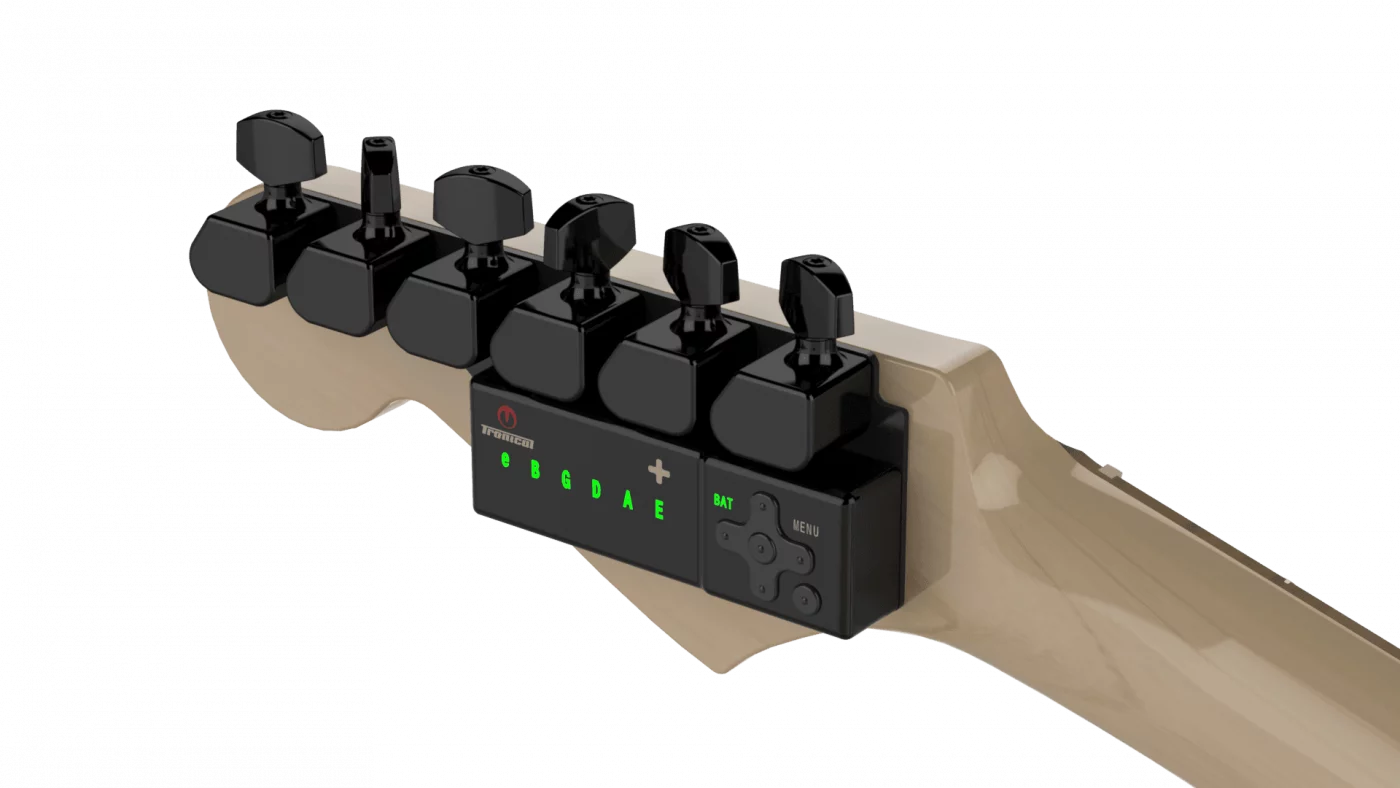
What guitar tuner accuracy means, when ±1 cent is enough, and why strings, intonation, technique, and signal quality still shape the result.
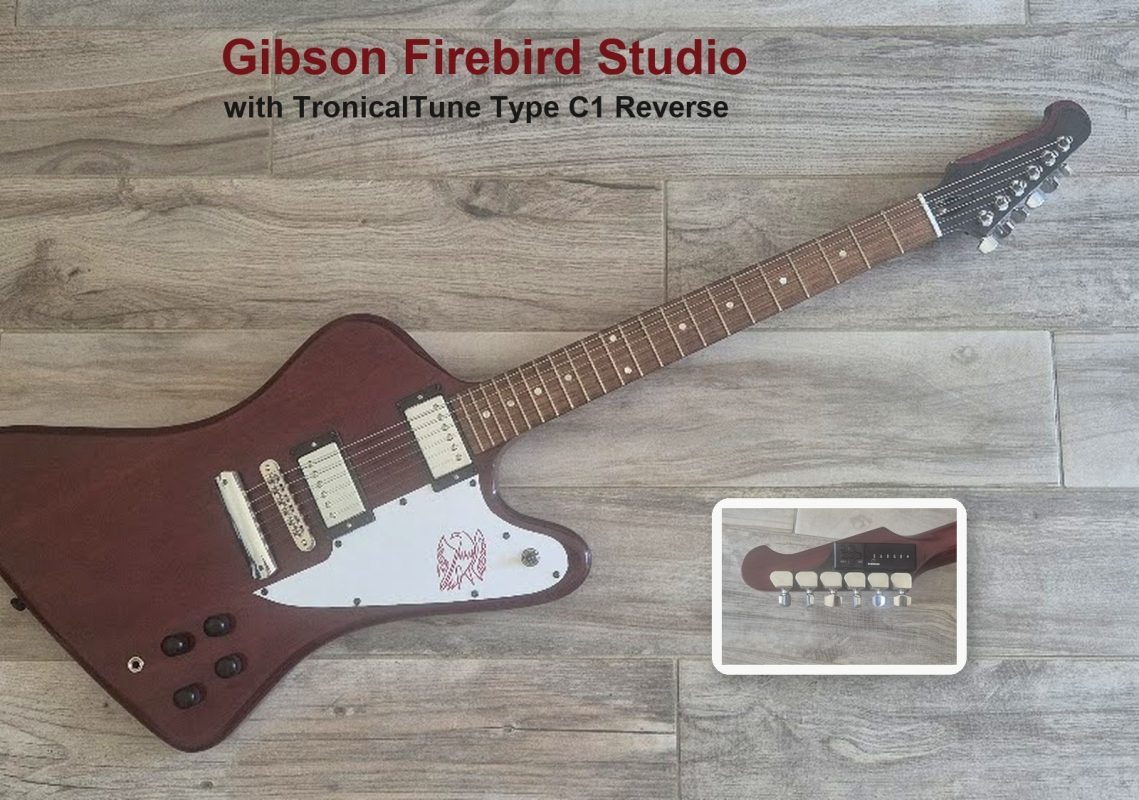
Blues Star Johnny W.’s Gibson Firebird Studio joins the Guitar Hall of Tune with a TronicalTune Type C1 Reverse installation.
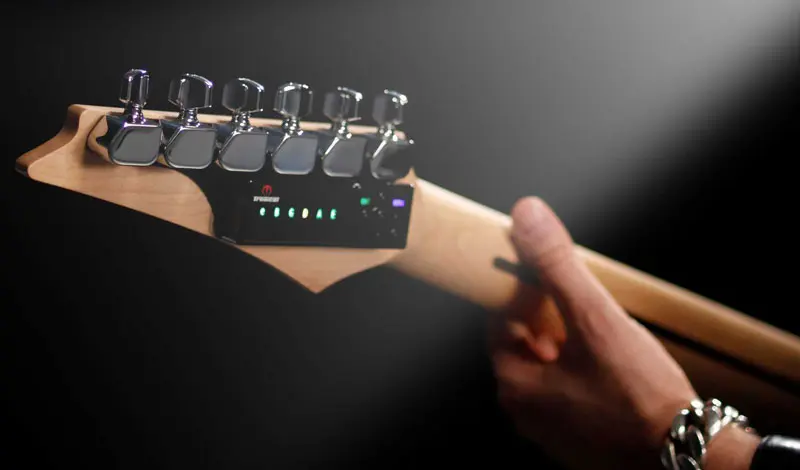
¿Tu guitarra no aparece? Consulta nuestra guía de compatibilidad.
Step 1 of 3
Elige la marca de tu guitarra
Marca de guitarra
Modelo de guitarra

